Best Waterproof Film Cameras You Can Reuse for Underwater Photography
For travelers, snorkelers, and outdoor enthusiasts, reusable waterproof film cameras offer a simple, battery-free way to capture memories in wet environments. This guide highlights five accessible options, explains how to choose the right model, and compares key features such as water resistance, film type, and portability. Each pick is suitable for casual shooters who want reliable color images without digital gear.
Summary Table of Selected Products
| Product | Brand | Key Feature | Depth Rating |
|---|---|---|---|
| Fujifilm Quick Snap Waterproof 27 Exposures | Quality Photo | Pre-loaded 800-speed color film | Waterproof case for exposure |
| 35mm Reloadable Waterproof Camera (Yellow) | XINBAI | IP68 waterproof, manual exposure | Up to 10 ft with case |
| 35mm Reloadable Waterproof Camera (Flower) | XINBAI | IP68 waterproof, compact design | Up to 10 ft with case |
| KODAK EKTAR H35 Half Frame | KODAK | Half-frame, built-in flash | General outdoor/indoor use |
| 1 Shot Waterproof Disposable Camera | 1 Shot | 27 exposures, ASA/ISO 400 color film | Underwater use |
Fujifilm Quick Snap Waterproof 27 Exposures

The Fujifilm Quick Snap Waterproof 27 Exposures is a ready-to-use disposable camera designed for underwater photography. It comes pre-loaded with 800-speed color film, allowing vibrant images in bright outdoor light or shaded underwater scenes. The camera is compact, durable, and simple to operate, making it a popular choice for snorkeling trips and beach outings. Its sealed design helps protect the film chamber from splashes and brief immersion, delivering reliable results with minimal setup.
Key considerations include ensuring proper film handling and keeping the camera out of prolonged deep-water exposure beyond its intended use. The model emphasizes ease of use and quick development turnaround, which appeals to travelers who want immediate, tangible prints or quick digitization after the trip.
35mm Reloadable Waterproof Film Camera for Snorkeling (Yellow)

This reusable film camera from XINBAI is built for underwater adventures with IP68 waterproof performance. It can be used with a waterproof case, enabling photos at depths up to 10 feet. The camera is small and battery-free, operating mechanically, which makes it ideal for travel where charging options are limited. Its modest size and simple focus range from 1 meter to infinity suit bright outdoor lighting and straightforward point-and-shoot shooting on snorkeling trips, river outings, and beach days.
Note that it does not include film in the package. For best results, pair it with your preferred 35mm color film and be mindful of low-light limitations where a flash is not available. Its compact design and rugged build provide a practical option for casual underwater photography without complex settings.
35mm Reloadable Waterproof Camera (Flower)
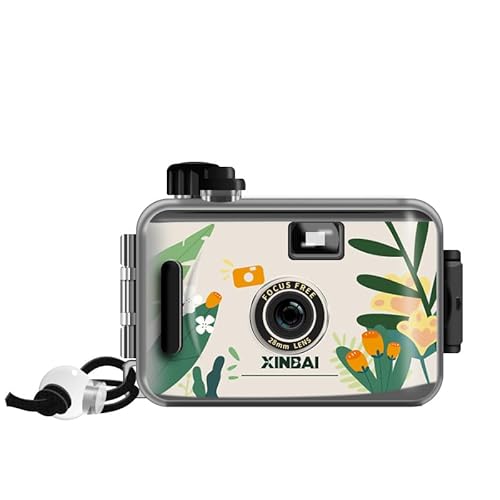
The XINBAI flower edition mirrors the yellow model with a playful design while offering the same waterproof performance up to 10 feet with the protective case. It is compact and battery-free, making it convenient for travel photography in sunlit outdoor water settings. Like its yellow sibling, it relies on user-controlled focus and timing, with no built-in flash, which suits daylight shooting conditions.
This variant is well-suited for travelers who want a visually appealing option that doesn’t compromise on durability. The camera’s small footprint is favorable for carry-on packing, but users should avoid deep-water use beyond the device’s rated depth and plan accordingly for film loading and development processes.
KODAK EKTAR H35 Half Frame Film Camera
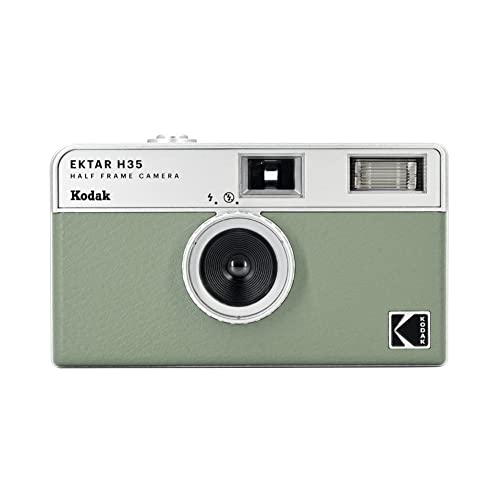
The KODAK EKTAR H35 Half Frame camera is a lightweight, reusable option that captures two images per standard 35mm frame by using half-frame format. It includes a built-in flash, increasing its versatility for varied lighting conditions. The pocket-sized design makes it easy to carry on outdoor excursions, day trips, and casual photo walks. The camera is user-friendly and supports straightforward operation for analog enthusiasts seeking extended film usage per roll.
Users should consider film loading logistics and the potential need for a battery when using the flash. While compact and simple, the half-frame format requires a slightly different framing approach, and shooters should plan for the lower per-roll image count if they are tracking a longer adventure.
1 Shot Waterproof Disposable Camera

The 1 Shot waterproof disposable camera provides a straightforward option for underwater photography with a 35mm format and 27 exposures using ASA/ISO 400 color film. It features a larger external view-finder to help with underwater composition and is designed for vacations, snorkeling, and water sports. The single-use nature simplifies planning for trips, and the USA-made film ensures dependable color quality. This model is particularly suitable for beginners who want an easy, low-maintenance approach to underwater imagery.
While convenient, it is a single-use device, and there is less flexibility around film choice or processing timing. Shooters who expect to reuse or modify their setup may prefer reloadable options, but for simple, reliable snapshots during water activities, this disposable camera remains a solid option.
Buying Guide
Key purchase considerations for reusable waterproof film cameras include depth rating, film format, and ease of use. Depth ratings determine how deep you can safely shoot with a given model; most consumer underwater cameras support shallow-water use, typically around 10 feet with a protective case.
Film format matters: full-frame 35mm yields familiar image sizes and processing, while half-frame models offer more images per roll but require different framing. Built-in features like a flash can improve results in mixed lighting, but many waterproof cameras rely on natural daylight, so plan shoots for bright conditions.
Mechanical, battery-free designs are ideal for travel where charging is impractical. However, this also means no electronic exposure controls or auto-focus in most cases, so stability and distance management are crucial. Consider whether you prefer a ready-to-use disposable option or a reloadable camera that allows you to choose film and reload for multiple outings.
Durability and portability are essential. Look for compact designs that fit easily in a bag or pocket, and ensure the housing or case provides reliable seals against splashes and submersion. Finally, think about film development timelines and whether you want prints, scans, or both after your trip, as some options offer straightforward post-processing routes with minimal equipment.