Best Stabilizers for DSLR Cameras to Enhance Your Video Quality
Choosing the best stabilizer for DSLR cameras is essential for achieving smooth, professional-grade videos. Whether you’re a vlogger, filmmaker, or content creator, a reliable gimbal or handheld stabilizer can drastically improve your footage by eliminating shakes and jitters. Below is a summary table listing top stabilizers designed to accommodate various DSLR and mirrorless cameras, highlighting their payload capacities and special features for easy comparison.
| Product | Brand | Payload Capacity | Key Features |
|---|---|---|---|
| DJI RS 3 Mini | DJI | Up to 2 kg (4.4 lbs) | Lightweight, Bluetooth shutter control, portable gimbal |
| Zhiyun Weebill S | ZHIYUN | Mainstream DSLR & mirrorless combos | Ergonomic sling mode, high responsiveness, compact size |
| ZHIYUN CINEPEER Weebill 3E | ZHIYUN | Up to 3 kg (6.6 lbs) | Native vertical shooting, lightweight, Bluetooth shutter |
| DJI RS 4 Pro Combo | DJI | Up to 4.5 kg (10 lbs) | High torque motors, native vertical shooting, dual focus control |
| FeiyuTech SCORP-C | FeiyuTech | Max 5.5 lbs | Lightweight, integrated handle grip, upgraded payload |
DJI RS 3 Mini 3-Axis Gimbal Stabilizer
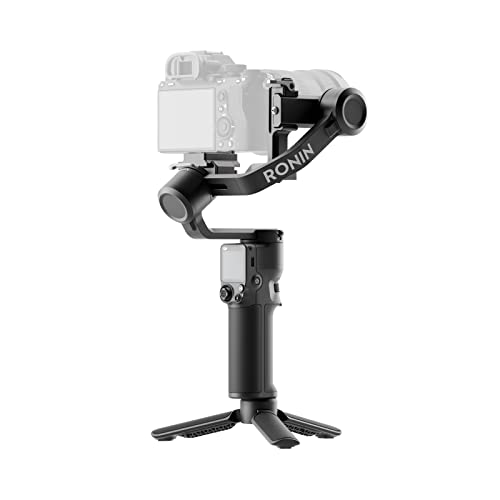
This ultra-compact 3-axis gimbal stabilizer by DJI is designed for DSLR and mirrorless cameras with a payload capacity of up to 2 kg (4.4 lbs). Weighing only 795g (1.75 lbs), it’s lightweight and highly portable, making it perfect for travel and extended shooting sessions.
Its high-torque motors ensure stable footage across a wide range of camera and lens setups. The built-in Bluetooth shutter control allows seamless operation of your camera’s photo capture and video recording functions directly from the gimbal, enhancing user convenience.
Zhiyun Weebill S 3-Axis Gimbal Stabilizer
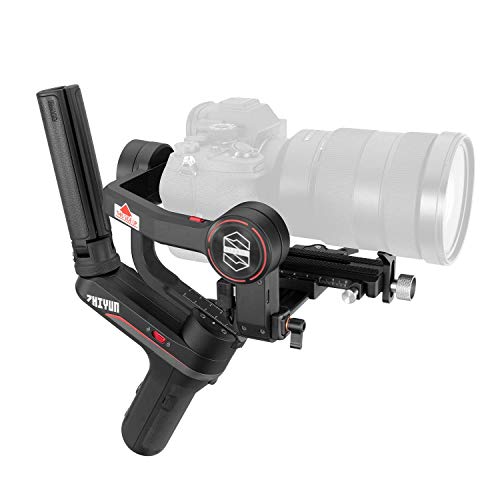
The Zhiyun Weebill S offers compatibility with popular DSLR and mirrorless cameras such as Sony, Canon, Panasonic, and Nikon models. Compact and ergonomically designed, it features a sling mode that improves handling and reduces operator fatigue during underslung shooting.
Equipped with the 8th Instune algorithm, this stabilizer delivers high responsiveness and smooth stabilization, even with fast camera movements in challenging environments. Its A4 paper-sized body makes it highly portable without sacrificing performance.
ZHIYUN CINEPEER Weebill 3E Lightweight 3-Axis Gimbal

The Weebill 3E stands out with a payload capacity of up to 3 kg (6.6 lbs) while maintaining a lightweight design at just over 1 kg. Native vertical shooting support lets creators switch between horizontal and vertical formats quickly, ideal for social media content.
Its ergonomic handle ensures comfortable long-duration shooting. However, buyers should note that compatible control cables for Canon and Sony cameras may require separate purchases to enable full camera control functionality via Bluetooth.
DJI RS 4 Pro Combo 3-Axis Gimbal Stabilizer

The DJI RS 4 Pro Combo provides exceptional support for heavier DSLR and cinema camera setups, with a robust payload capacity of 4.5 kg (10 lbs). Its motor torque has been increased by 20% to accommodate demanding lens and camera configurations.
Featuring carbon fiber arms for strength and reduced weight, this stabilizer also includes a second-generation native vertical shooting mode for effortless content switching. Remote dual focus and zoom motor controls allow precise cinematographic adjustments via the gimbal joystick.
FeiyuTech SCORP-C 3-Axis Camera Stabilizer

The FeiyuTech SCORP-C is designed for DSLR and mirrorless cameras, supporting a maximum payload of 5.5 lbs. This upgraded model features an integrated handle grip, simplifying use without needing optional underslung accessories.
It is compatible with many mainstream camera models including Sony, Canon, Panasonic, Nikon, and Fujifilm. This stabilizer’s lightweight and ergonomic design makes it suitable for filmmakers seeking a balance between performance and portability.
Buying Guide for DSLR Camera Stabilizers
Selecting the right stabilizer for your DSLR or mirrorless camera requires attention to several crucial factors:
1. Payload Capacity
Ensure the stabilizer supports your camera and lens setup’s combined weight. Overloading a gimbal can cause poor stabilization and motor strain. Match the capacity to your heaviest intended configuration.
2. Compatibility
Check camera and lens compatibility data. Some stabilizers require additional cables or adapters for full control functions like shutter release or zoom. Confirm supported models before purchase.
3. Portability and Weight
The stabilizer’s weight affects usability during long shoots. Lightweight and compact designs enhance convenience, especially for travel or vlogging.
4. Stabilization Technology and Motor Strength
Advanced algorithms and high-torque motors improve responsiveness and smoothness, vital for fast action or complex movements.
5. Shooting Modes and Features
Features like native vertical shooting help switch quickly between aspect ratios favored on social media platforms. Additional controls such as remote focus and zoom enhance creative flexibility.
6. Ergonomics and Handle Design
Comfortable grips and versatile mounting options reduce fatigue and facilitate varied shooting angles, including underslung or low-angle shots.
7. Price and Warranty
While price is a consideration, prioritize stabilizers offering robust build quality, reliable performance, and manufacturer support for greater value.
By evaluating these aspects, you can find the best DSLR stabilizer to suit your production needs, ensure stable, professional-quality videos, and elevate your creative projects.