Best Softbox for Food Photography: Illuminate Delicious Details With Precision
Bright, soft, and even lighting is essential for turning food into mouthwatering images. The following softbox lighting kits are tailored for food photography, offering reliable diffusion, color accuracy, and adjustable color temperatures to flatter textures, colors, and appetites. This guide highlights five solid options and provides practical buying tips to help you choose the right setup for a compact home studio or on-the-go shoots.
Summary of chosen products
| Product | Brand | Key Strengths | Light Type |
|---|---|---|---|
| RaLeno Softbox Lighting Kit, 16” x 16” | RaLeno | Compact size, 50W LED, high CRI | Continuous LED |
| Torjim Softbox Lighting Kit, 16” x 16” | Torjim | Wide color temp range, energy-efficient bulbs | Continuous LED |
| EMART Softbox Lighting Kit, 16” x 16” | EMART | Remote/App control, reliable tripod | Continuous LED |
| Yanuoda Softbox Lighting Kit, 16” x 16” | Yanuoda | Remote color/brightness, high CRI | Continuous LED |
| Skytex Softbox Lighting Kit, 16” x 16” | Skytex | Upgraded bulb, remote control, portability | Continuous LED |
These products offer a balance of diffusion quality, color accuracy, and usability for food photography. Each option supports a small-to-mid-sized setup, helps minimize harsh shadows, and improves texture details across plated dishes, desserts, and close-up ingredients.
RaLeno Softbox Lighting Kit, 16” x 16”

The RaLeno kit combines a compact 16×16-inch softbox with a 50W LED bulb and 5500K daylight output. A silver reflective interior and white diffusion fabric help deliver soft, even light with minimal hotspot formation, which is ideal for food photography where texture and color fidelity matter. The kit emphasizes ease of setup in small studios or interior spaces, making it a practical choice for bloggers, social creators, and beginners documenting meals, baking, or ingredients. The design focuses on stable light delivery and durability, reducing maintenance during long shoots.
Torjim Softbox Lighting Kit, 16” x 16”

Torjim’s kit uses high-reflectivity PET fabric with a silver inner baffle to maximize soft light diffusion and reduce shadows. The 85W bulb range (3000-7500K) enables a broad color-temperature spectrum, helping to render food with accurate warmth or cool tones as needed. A sturdy aluminum alloy tripod and independent locking knobs contribute to stability, ensuring consistent lighting during multi-shot food sequences. The result is a versatile setup suitable for product shots, plated meals, or overhead food photography from a fixed position or dynamic angles.
EMART Softbox Lighting Kit, 16” x 16”

EMART’s 16×16 softbox kit includes a 50W LED bulb with remote or app-based control, offering adjustable brightness and a color temperature range from 3000K to 6000K. The setup emphasizes convenience and smart control, helpful for photographers who adjust lighting on the fly during food shoots. The included adjustable light stand, durable construction, and diffused front panel are designed to reduce harsh highlights while preserving natural texture and color in foods, from glossy sauces to matte bread crusts.
Yanuoda Softbox Lighting Kit, 16” x 16”
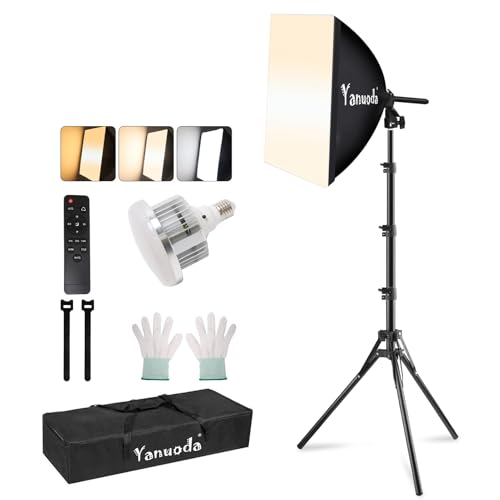
Yanuoda’s 16×16 kit emphasizes remote control for color temperature adjustments (3000K-7500K) and brightness (10%-100%), with a CRI of 97 and TLCI 97 for high color accuracy. The kit uses a reflective interior and diffuser fabric to deliver soft, flattering light that preserves skin tones and dish colors. It targets professional or hobbyist photographers seeking precise, repeatable lighting in scenes with varying food textures, from creamy desserts to glossy glazes. A long LED lifespan reduces replacement costs over time.
Skytex Softbox Lighting Kit, 16x16in

Skytex’s kit bundles a 16×16 softbox with a 135W LED bulb offering a wide color-temperatur range of 2700-6400K. The included 68-inch aluminum stand and travel bag support studio-to-location shoots, while remote controls provide quick adjustments to brightness and color temperature. The kit’s output is designed to deliver bright, even illumination across a variety of food subjects, helping to reproduce realistic textures, tones, and color saturations in stills and video alike.
Buying Guide: Key Purchase Considerations
Choosing the right softbox lighting kit for food photography involves weighing diffusion quality, color accuracy, and usability. Here are essential considerations to help you compare options and select a kit that matches your goals.
- Light quality and diffusion: Look for softboxes with inner reflectors and diffusers that produce smooth, shadow-minimized light. A white interior or silver-coated baffle helps control contrast while preserving texture detail in foods like pastries or glazes.
- Color accuracy: For food, accurate color rendering is critical. Consider kits with high CRI (color rendering index) and TLCI ratings. Higher values indicate truer color reproduction of dishes, garnishes, and ingredients.
- Color temperature range: A bi-color (adjustable) or continuous lighting that covers 3000K to 7500K enables warm and cool tones to suit different dishes and plating styles, from cozy breakfasts to vibrant salads.
- Power and efficiency: LED bulbs with wattage in the 50-135W range provide ample brightness while keeping energy use reasonable. Energy-efficient LEDs reduce heat and extend shooting sessions without frequent changes.
- Diffusion size and portability: A 16×16 inch softbox suits small studios and overhead setups for food photography. If you shoot on location, consider the weight, foldability, and included carrying bags for easy transport.
- Stability and build quality: Stands with sturdy locking mechanisms prevent wobble during shoots. Aluminum stands tend to be light yet durable, supporting consistent lighting across sessions.
- Control options: Remote or app-based control for brightness and color temperature adds convenience, especially when adjusting lighting on set between different dishes or angles.
- Accessories and setup time: Quick-open or pull-out designs speed up setup. Diffusers, front panels, and carrying bags are valuable for efficient workflow and transportability.
- Budget and scalability: If you plan to expand, consider kits with extra stands, additional softboxes, or future-compatible bulbs. A modular approach can save costs as you grow your studio.
In practice, the best choice balances reliable diffusion, color fidelity, and ease of use within your available space. For compact home studios focused on food photography, a 16×16 softbox kit with a reliable CRI rating and a wide color-temperature range often delivers the best value and consistent results across a range of dishes.