Best Prime Lenses for Astrophotography: Ultra-Wide and Large Aperture Options
Choosing the best prime lens for astrophotography requires balancing wide aperture, sharp optics, and minimal distortion for capturing the night sky in remarkable detail. This guide presents a selection of prime lenses renowned for their stellar performance in astrophotography, landscapes, and low-light conditions. Below is a comparison table of top options available on Amazon that combine high optical quality with wide apertures and specialized coatings to minimize aberrations and flare.
| Lens | Brand | Key Feature | Aperture | Focal Length |
|---|---|---|---|---|
| Sony 14mm f/1.8 G Master | SONY | Two XA Elements, Nano AR Coating II | f/1.8 | 14mm |
| Canon RF16mm F2.8 STM Lens | Canon | Ultra Wide-Angle, Stepping Motor AF | f/2.8 | 16mm |
| Sony FE 14mm F1.8 GM | Sony | XD Linear Motors, Super ED Elements | f/1.8 | 14mm |
| YONGNUO YN35mm F2 Lens | YONGNUO | Wide-Angle Fixed Auto Focus | f/2 | 35mm |
| Sony FE 20mm F1.8 G | Sony | Compact Ultra-Wide Prime G Lens | f/1.8 | 20mm |
Sony 14mm f/1.8 G Master Ultra-Wide Prime

This Sony 14mm f/1.8 G Master lens is designed for full-frame cameras delivering incredibly sharp images with high corner-to-corner resolution. Its two Extreme Aspherical (XA) elements combined with Extra Low Dispersion (ED) and Super ED elements control chromatic aberrations effectively. The f/1.8 aperture supports beautiful bokeh with a 9-blade circular diaphragm producing smooth backgrounds. Sony’s Nano AR Coating II minimizes flare and ghosting to maintain clarity even in challenging lighting, ideal for astrophotography and landscapes. Its ultra-wide 14mm angle captures vast star fields with impressive clarity and contrast.
Canon RF16mm F2.8 STM Ultra Wide-Angle Prime Lens

The Canon RF16mm F2.8 STM is an ultra-wide prime lens optimized for EOS R mirrorless cameras. Although it has a slightly smaller maximum aperture of f/2.8, it delivers high image quality with a stepping motor for smooth and silent autofocus during video and stills shooting. Its fixed focal length is perfect for expansive night sky compositions and detailed astrophotography. This lens offers a lightweight and compact design, making it suitable for on-the-go astrophotographers that want excellent wide-angle coverage without the bulk.
Sony FE 14mm F1.8 GM Full-Frame Wide-Angle Lens

The Sony FE 14mm F1.8 GM lens excels in astrophotography with its ultra-wide view and large F1.8 aperture. It incorporates two XA elements, two ED glass elements, and one Super ED glass element, dramatically reducing chromatic aberration and flare. Nano AR Coating II further improves contrast and reduces ghosting. Offering fast, precise autofocus with two XD Linear Motors, this lens is versatile for both night sky imaging and cinematic video. Its lightweight internal focus design benefits creators shooting in challenging light who need portability and reliability.
YONGNUO YN35mm F2 AF/MF Wide-Angle Fixed Prime Lens

The YONGNUO YN35mm F2 is a budget-friendly prime lens featuring autofocus and manual focus modes. Its 35mm focal length offers a narrower field of view compared to ultra-wide lenses but is still usable for astrophotography capturing denser star clusters or segments of the sky. Its diagonal viewing angle is 63 degrees with a minimum focusing distance of 0.25 meters. While not specifically designed for astrophotography, it provides a versatile wide aperture of f/2 for better light gathering at night and strong image sharpness for its price.
Sony FE 20mm F1.8 G Ultra-Wide Large-Aperture Prime
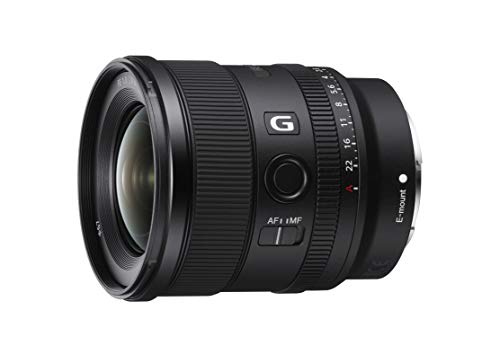
This Sony FE 20mm F1.8 G lens is another excellent choice for astrophotography enthusiasts. It offers a large f/1.8 aperture combined with ultra-wide coverage and impressive wide-open resolution. The compact and lightweight design is suitable for both full-frame and APS-C cameras, making it versatile and portable. Its fast maximum aperture supports shooting in low-light conditions while providing shallow depth of field to isolate stars or foreground subjects. With stunning sharpness and contrast, it can handle astrophotography tasks as well as landscape and event photography.
Buying Guide for Prime Lenses Suited for Astrophotography
Finding the right prime lens for astrophotography involves understanding key features that impact night sky imaging quality. Here are essential factors to consider before purchasing:
Aperture Size
The maximum aperture of a lens is crucial because it dictates light gathering ability. Larger apertures like f/1.4 to f/1.8 allow more light to hit the sensor, essential for capturing faint stars and nebulae with shorter exposure times. Lenses with apertures above f/2.8 may require longer exposures or higher ISO settings, increasing noise.
Focal Length and Field of View
Astrophotography benefits from ultra-wide lenses (typically 14-20mm) as they capture expansive sections of the night sky. Wider angles enable including foreground elements like landscapes or structures along with star fields. However, some astrophotographers use longer focal lengths (e.g., 35mm or 50mm) for capturing detailed shots of smaller celestial objects or clusters.
Optical Quality and Coatings
Sharpness and minimal aberration are mandatory for clear star points. Look for lenses with aspherical elements, ED (Extra-low Dispersion) glass, and specialized coatings like Nano AR Coatings that reduce flare, ghosting, and chromatic aberrations caused by bright stars or light pollution. These traits ensure contrasted, vibrant night sky images.
Autofocus and Manual Focus Capability
While autofocus is less critical as astrophotography generally relies on manual focusing on infinity, having smooth and accurate focus control is beneficial. Some lenses come with stepping motors for quiet autofocus during video shoots, and good manual focus rings support crisp star focus in dark conditions.
Compatibility and Mount Type
Always verify that the lens mount matches your camera body. Many prime lenses are designed for full-frame mirrorless and DSLR mounts (Sony E-mount, Canon RF, Nikon F, etc.). Some lenses offer interchangeable mounts or adaptor compatibility, expanding system flexibility.
Build and Portability
Astrophotographers often work in remote, outdoor settings at night, so a lens’s weight, size, and weather resistance are important. Compact and lightweight lenses are easier to handle on tripods and gimbals. Durability against dew, dust, and chilly temperatures enhances reliability during long night sessions.
Budget Considerations
High-performance prime lenses for astrophotography can be costly. Set a budget that works for your needs and considers tradeoffs between aperture size, optical features, and build quality. Some brands offer excellent alternatives that balance price and performance for entry-level astrophotographers.