Best Mirrorless Cameras and Accessories for Astrophotography
Astrophotography requires specialized equipment to capture the beauty of the night sky with clarity and precision. Mirrorless cameras paired with the right accessories can offer exceptional image quality, compact portability, and excellent low-light performance for celestial imaging. Below is a summary of selected products ideal for astrophotography, including cameras and essential accessories like lens warmers, adapters, and tripods.
| Product | Brand | Key Features |
|---|---|---|
| Canon EOS R100 Mirrorless Camera | Canon | 24.1MP APS-C sensor, 4K video, compact design, DIGIC 8 processor |
| Sony Alpha a6400 Mirrorless Camera | Sony | 20.1MP APS-C sensor, Real-Time Eye AF, 4K video, fast autofocus |
| FIBONAX Telescope Camera 4K Astrophotography Camera | FIBONAX | 8MP sensor, 4K video at 30fps, IR-cut filter, 1.25″ telescope compatibility |
| JJC USB Lens Warmer 80mm Dew Heater Strip | JJC | Temperature regulator with 3 settings, prevents lens condensation, fast heat transfer |
| CAMBOFOTO 74″ Camera Tripod | CAMBOFOTO | Lightweight aluminum tripod, adjustable height up to 74″, 360° head rotation |
Canon EOS R100 Mirrorless Camera with RF-S 18-45mm Lens Kit

The Canon EOS R100 Mirrorless Camera features a 24.1-megapixel APS-C CMOS sensor that produces sharp, high-quality images with natural bokeh effects, suitable for night sky photography. Its compact and lightweight body makes it highly portable for outdoor astrophotography sessions.
Powered by the DIGIC 8 image processor, it supports 4K video recording and improved shooting functionality, allowing capturing of detailed celestial scenes. Its RF mount enables the use of interchangeable lenses tailored specifically to astrophotography needs.
Sony Alpha a6400 Mirrorless Camera with 16-50mm Lens
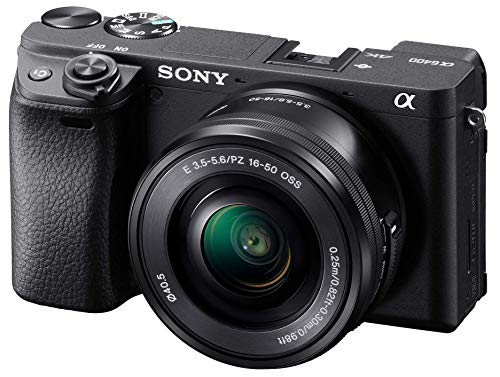
The Sony Alpha a6400 offers a 20.1MP APS-C Exmor RS CMOS sensor with fast and accurate autofocus, capturing sharp images of stars and planets. It boasts real-time Eye AF and high-speed continuous shooting up to 11 frames per second, useful for tracking celestial objects.
Its 4K video capability and flip screen enhance usability during night sky recordings, while the compact size and E-mount compatibility support various astrophotography lenses. This mirrorless camera balances advanced features with portability.
FIBONAX 4K Telescope Camera for Astrophotography

The FIBONAX Telescope Camera is specifically designed for astrophotography, featuring an 8MP sensor and 4K video capture at 30fps for crisp planetary and lunar imaging. Compatible with 1.25″ standard telescope focusers, it fits directly into telescopes for prime-focus photography.
This plug-and-play device works seamlessly across Windows, macOS, and Linux without driver installation. Its IR-cut filter improves image quality by reducing light pollution, and it’s excellent for capturing detailed celestial body features.
JJC USB Lens Warmer 80mm Dew Heater Strip for Cameras

The JJC USB Lens Warmer prevents lens fogging and condensation during cold night shoots, maintaining optical clarity with its 80mm dew heater strip. It includes a 1.5-meter regulator cable with three temperature levels (low, medium, high) for customized heating.
Ideal for mirrorless cameras and DSLR lenses with diameters less than 3.15 inches, this accessory ensures consistent and clear imaging when moisture threatens picture quality. Its durable materials enable use in harsh cold environments down to -40°C.
CAMBOFOTO 74-Inch Aluminum Camera Tripod for Mirrorless Cameras

The CAMBOFOTO Professional Aluminum Tripod supports stable astrophotography with adjustable height up to 74 inches and a maximum load capacity of 8.8 pounds. Its lightweight design and foldability to 19 inches make it an excellent travel companion.
The tripod head offers 360° horizontal and vertical rotation, facilitating precise alignment with celestial targets. A bubble level indicator assists in leveling, while a hook on the center column enhances stability by allowing weight attachment against wind disturbances.
Buying Guide for Mirrorless Cameras and Accessories for Astrophotography
Choosing the right mirrorless camera and complementary accessories for astrophotography involves several critical factors. Understanding these will improve your ability to capture stellar images effectively.
Sensor Quality and Size
A camera with a large APS-C or full-frame sensor offers better light sensitivity and dynamic range essential for night photography. High megapixel counts improve detail but ensure sensitivity remains optimized for low-light conditions.
Lens Compatibility and Interchangeability
Astrophotography demands specialized lenses or telescope adapters. Ensure your camera supports interchangeable lenses or attachable telescope cameras to capture celestial details. Compatibility with wide-aperture lenses enhances star visibility.
Image Processing and ISO Performance
Advanced image processors and excellent ISO performance reduce noise in long-exposure shots. Cameras with in-camera noise reduction and RAW output are preferable for post-processing flexibility.
Video and Live View Capability
4K video and smooth live view playback assist in framing and focusing on faint objects. Real-time autofocus with face or eye detection is less critical, but fast manual focus and focus peaking tools help in dark conditions.
Essential Accessories for Astrophotography
- Dew Heaters: Prevent lens fogging and condensation with temperature-controlled warming strips.
- Telescope Adapter Mounts: Connect your mirrorless camera securely to telescope optics for prime-focus photography.
- Stable Tripods: Lightweight, durable tripods with adjustable height and rotation enable steady long exposures.
- Finderscope Mounts: Assist with accurate telescope alignment and tracking of celestial objects.
Software Compatibility and Operating Systems
Check if the astrophotography camera or accessory supports your preferred operating system (Windows, macOS, Linux) and integrates easily with astronomy software for image capture and processing.
By carefully considering sensor capabilities, lens options, accessory support, and stability features, you can build an astrophotography setup that meets your imaging needs efficiently and reliably.