Best Mirrorless Camera Flip Screen Gear for Vlogging and Content Creation
The modern mirrorless camera ecosystem often hinges on a reliable flip screen for framing, monitoring, and live streaming. This guide highlights five top products that enhance flip-screen functionality, making it easier to shoot from every angle. Each item focuses on accessibility, versatility, and compatibility with a range of popular mirrorless bodies.
The following quick-reference table presents the chosen products, highlighting their key strengths and compatible camera families to help you compare at a glance.
| Product | Brand | Best Use | Key Benefit |
|---|---|---|---|
| KOQINVIZ Vlog Selfie Flip Screen | KOQINVIZ | Flip-screen accessory | Three cold shoe mounts for framing and lighting |
| Canon EOS R50 V Mirrorless Camera Kit | Canon | Vlogging and streaming | 4K video, Dual Pixel AF, built-in flip screen |
| Nikon Z 30 with 16-50 | Nikon | Compact vlogging | Flip-out screen, strong autofocus, 4K video |
| NovelGoal Three-Cold-Shoe Flip Screen | NovelGoal | Multi-attachment utility | Three universal cold shoe slots |
| Sony Alpha a6400 Series | Sony | Editorial and travel vlogging | Real-time AF, reliable flip screens |
KOQINVIZ Vlog Selfie Flip Screen For Mirrorless Cameras

The KOQINVIZ flip screen is designed to address a common limitation of mirrorless cameras: the non-tilting or non-flipping display during VLOG sessions. This periscope-style mirror solution provides a live view reflection that allows vloggers to frame themselves accurately, especially in tight setups. It is adaptable to several popular camera bodies, including Sony A7 series, Fujifilm XT models, Canon, Nikon, Panasonic, and other mirrorless systems. The device leverages a periscope reflection principle to display camera output, enabling you to monitor effects and composition without twisting the camera orientation. It’s particularly useful for solo creators, streamers, and educators who require reliable on-screen preview during recording and streaming tasks. Installation involves mounting on the camera’s hot shoe or compatible support, then adjusting the viewing angle to match your shooting position. While it does not replace the built-in display, this accessory provides a practical solution for on-camera monitoring when the main screen cannot be turned toward the user.
Key features include multi-camera compatibility, a simple periscope-based display, and a lightweight form factor. The three cold shoe mounts offer options for attaching a mic, small light, or other accessories to maintain a compact workflow. Users should consider the overall balance and the potential need for additional stabilization if the setup becomes top-heavy. This accessory is best for creators who primarily shoot themselves from a front-facing position and need a dependable live preview without repositioning the camera. It does require careful alignment to ensure the reflected image matches the actual framing.
Canon EOS R50 V Mirrorless Camera Kit

The Canon EOS R50 V Mirrorless Camera Kit blends image quality with beginner-friendly features in a compact body. With a 24.2MP APS-C sensor and the DIGIC X processor, it delivers crisp stills and 4K video playback suitable for vlogs and short-form content. Its Dual Pixel CMOS AF supports precise eye-tracking and subject detection, which helps when filming yourself or others in dynamic environments. The included RF-S 14-30mm f/4-6.3 IS STM lens provides flexible wide-angle coverage ideal for landscapes, interiors, and social-media-friendly framing. The kit also includes essential accessories like a battery, charger, lens caps, a bag, and a 64GB memory card, creating a ready-to-shoot package for creators on the go. The built-in flip screen aids self-recording, though third-party accessories can further enhance monitoring and lighting control for studio setups.
As a lightweight option, the R50 V appeals to creators who want modern autofocus, reliable color science, and an approachable workflow. It excels in bright to moderate lighting and supports capture of cinematic 4K video. For those focusing on mobility and content creation across platforms, the Canon R50 V provides a balanced, user-friendly experience with a clear upgrade path for growing channels.
Nikon Z 30 With Wide-Angle Zoom

The Nikon Z 30 pairs a compact form with robust video-focused capabilities, making it a strong choice for vloggers seeking mobility and quality. The camera offers 4K video, a flip-out touchscreen for self-recording, and an effective autofocus system with eye-tracking for people and pets. The included 16-50mm zoom lens covers a broad range suitable for portraits, street shooting, and travel. Nikon’s smartphone app enables remote control, which is helpful for solo creators who want to monitor and adjust settings from a distance. The Z 30’s image stabilization and low-light performance contribute to stable, cinematic footage in varied environments. This model supports easy setup for streaming or on-the-go shooting, keeping the workflow efficient and adaptable.
For creators who want a lightweight solution with strong video features and reliable autofocus, the Z 30 offers a practical balance of performance and portability. It is well-suited for those who value a comfortable touchscreen interface and a versatile focal range for day-to-day filming.
NovelGoal Three-Cold-Shoe Flip Screen Accessory

The NovelGoal accessory focuses on expandability and portability, offering three universal cold shoe slots that accommodate multiple extensions—such as microphones, lights, or small monitors. It’s designed to be compatible with cameras like the Sony A6500/6300 and Fujifilm XT2/3/20/30, among others. The compact, lightweight design makes it easy to carry for travel or on-location shoots. Users benefit from modularity, allowing them to tailor their rig to specific shooting needs. The universal cold shoe approach minimizes the need for multiple clamps and reduces clutter on crowded rigs. This product is ideal for creators who rely on accessory stacking and want a flexible setup without heavy gear.
When integrating with a flip-screen workflow, this accessory can support additional monitor or mic placements while keeping the main camera body unobtrusive. It’s suitable for shooters who prioritize modularity and quick configuration changes in dynamic environments.
Canon EOS R50 V Body Only
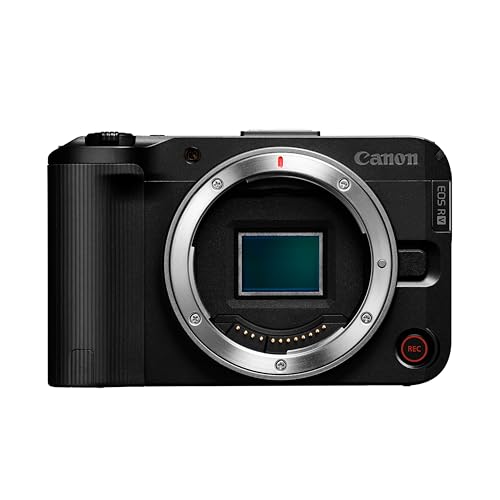
The body-only Canon EOS R50 V focuses on the core imaging system and control surface, enabling creators to pair it with their preferred lenses and accessories. While the device emphasizes a user-friendly interface and a dedicated front-record button, it also supports a varied set of shooting modes, including 4K video capture and advanced autofocus features. The absence of a lens in the body allows users to tailor their kit to specific artistic needs, whether they’re shooting vlogs, tutorials, or cinematic scenes. It is a suitable option for enthusiasts who want to upgrade from entry-level models and prefer a flexible lens strategy.
As with any body-only kit, considerations include the availability of compatible lenses, weight distribution with chosen glass, and the potential need for additional stabilization or audio gear to complete a professional workflow.
Buying Guide: Flip Screen Mirrorless Shooting Essentials
Flip screens expand framing flexibility, self-recording ease, and on-camera monitoring for creators across genres. When evaluating flip-screen solutions, consider these factors:
- Display orientation and articulation: Determine whether a left-, right-, or multi-direction flip suits your typical shooting angles and desk setups.
- Camera compatibility: Check hot-shoe or accessory mount compatibility, and ensure mounting does not interfere with batteries or other ports.
- Accessory ecosystem: Evaluate how the flip screen integrates with mics, lights, and monitors to form a cohesive rig without excessive weight.
- Image quality and autofocus: For camera kits, prioritize devices with reliable autofocus performance, color science, and 4K video capabilities if you create high-resolution content.
- Portability: Lighter rigs are advantageous for travel; consider the overall footprint and how it impacts portability and setup time.
- Budget and upgrade path: Start with a system that offers the most essential features today while leaving room for future lens and accessory upgrades.
In practice, the best setup balances a user-friendly interface, dependable autofocus, and a modular rig that can scale with your channel’s needs. For solo creators, a compact body with a flip screen and reliable streaming features provides a strong foundation. For multi-camera studios, sturdy mounts and modular cold-shoe systems enable flexible configurations that minimize downtime between shots. Across brands, the key is to harmonize the camera’s core imaging capabilities with practical monitoring solutions to ensure accurate framing and professional results.