Best Lightest Cameras for Quadcopter: Ultra-Compact FPV Options
Flying micro and mini quadcopters demands lightweight components to maximize performance and flight time. This guide highlights several of the lightest FPV cameras available for quadcopters, focusing on ultra-compact models that minimize payload while maintaining image quality. Each option is assessed for weight, size, and ease of integration to help pilots choose the best match for racing, freestyle, or beginner setups.
| Product | Weight / Size | Key Benefit |
|---|---|---|
| LDARC Micro 800TVL FPV Camera 1.6g | 1.6g | Very light; ideal for ultra-light micro quads |
| STARDRONE 1200TVL FPV Camera 2.5g | 2.5g | Extremely light with wide compatibility |
| Wolfwhoop WT05 Micro AIO FPV Camera 3.4g | 3.4g | Compact micro AIO option with simple channel switching |
| Readytosky 1200TVL FPV Camera 2.5mm | Compact mini size (22mm x 22mm) | Small footprint with solid image quality |
| RunCam Robin 3 Micro Camera 5.3g | 5.3g | Lightweight with robust build for micro FPV |
Note: All products listed are FPV cameras compatible with quadcopters and are selected for their minimal added weight while delivering reliable video feeds for racing and freestyle flying. Weight figures are based on manufacturer specifications or typical product descriptions when available.
LDARC Micro 800TVL FPV Camera 1.6g

The LDARC Micro 800TVL FPV Camera weighs just 1.6g, making it one of the lightest FPV cameras available. Its featherlight design supports longer flight times and reduced strain on micro drones. The 800TVL CMOS sensor delivers clear visuals, and the camera operates on a 5V power input, ensuring compatibility with common FPV systems. With minimal footprint, this camera preserves flight agility for tiny quads used in racing and freestyle sessions.
STARDRONE 1200TVL FPV Camera 1.8mm Lens

STARDRONE offers a 1200TVL FPV camera with a 1.8mm lens and 160° FOV, designed to deliver crisp visuals at high speeds. The camera is described as ultra-light at 2.5g, making it an excellent choice for weight-conscious builds. Its compact form factor helps maintain balance on small racing or freestyle quads, while the wide-angle lens supports quick decision-making during rapid maneuvers.
Wolfwhoop WT05 Micro AIO FPV Camera 3.4g
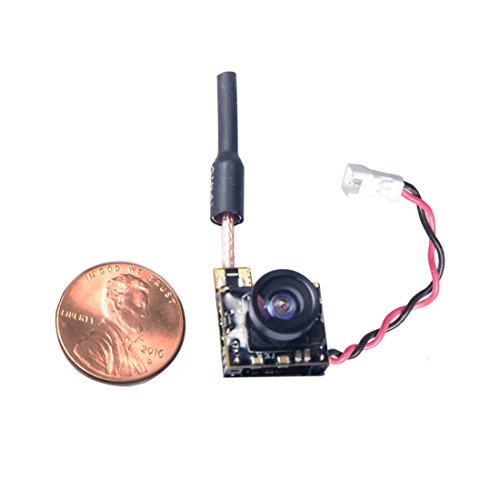
The Wolfwhoop WT05 Micro AIO camera weighs 3.4g and includes a 5.8GHz, 25mW FPV transmitter with a dipole brass antenna. It is designed for easy installation on racing drones, prioritizing a lightweight profile and quick setup. The AIO configuration reduces the number of components, helping pilots minimize total weight while maintaining reliable video transmission and channel control via a simple button interface.
Readytosky 1200TVL FPV Camera NTSC 2.5mm
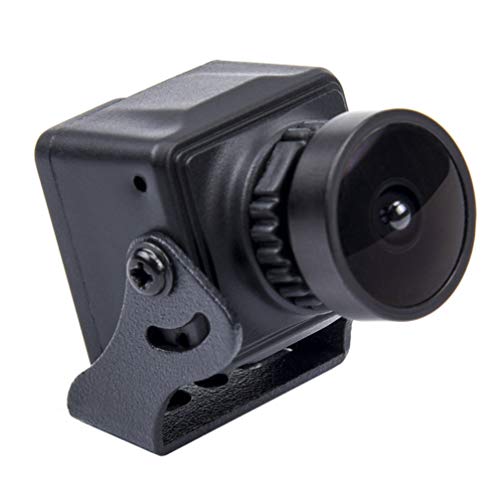
The Readytosky 1200TVL FPV camera emphasizes high-definition clarity in a compact footprint. Its 2.5mm lens and CMOS sensor provide sharp imagery, aiding quick response during race lines or freestyle flights. The small size (22mm x 22mm) supports ultra-light builds and reduces drag, making it suitable for lightweight quadcopters and micro drones where every gram matters.
RunCam Robin 3 Micro FPV Camera

RunCam Robin 3 is a micro FPV camera weighing around 5.3g, designed for micro quads and FPV drones. It uses a 1/3″ 4:3 CMOS sensor to deliver reliable image quality with a larger vertical angle. The camera features a robust build with a sandwich-style front shell and four-corner screw fixation for added durability and dust resistance, plus compatibility with a universal RunCam 6-pin interface for ease of use in diverse setups.
Buying Guide: Key Considerations For Ultramicro FPV Cameras
When selecting the lightest camera for a quadcopter, pilots should balance weight, image quality, and compatibility. Here are essential factors to weigh:
- Weight and balance: Ultra-light cameras reduce overall payload but ensure the camera’s weight is distributed to avoid destabilizing the frame.
- Sensor resolution and image clarity: Higher TVL (e.g., 1200TVL) generally yields clearer footage in high-speed flight, but may come with increased data processing needs.
- Lens size and field of view: Narrow lenses save weight but reduce the field of view; wide-angle lenses help detect obstacles early but can introduce distortion.
- Power requirements: Most micro cams run at 5V; ensure your flight controller or video transmitter matches the camera’s power needs to avoid overloads.
- Compatibility: Confirm the camera’s connector type (Jumpers, JST, etc.), power input, and video format (NTSC/PAL) align with your FPV system and goggles.
- Durability and mounting: Small form factors benefit from robust housings or protective frames for survivability in crashes and hard landings.
- Firmware and settings: Some cameras offer adjustable brightness, contrast, and gamma. Consider whether on-the-fly adjustments are needed during races or freestyle sessions.
- Upgrade path: If you anticipate upgrading to faster frames or larger quads, select cameras with modular or widely supported interfaces to simplify future changes.
In practice, ultra-light FPV cameras are best suited for micro quads used in racing and tight freestyle environments. Pilot preferences—such as latency, image fidelity, and integration ease—will determine the optimal balance between weight and performance. Evaluating multiple options, as shown above, helps builders tailor their setup to specific flight styles and frame choices.