Best Digital Cameras and Astrophotography Tools for Stargazing Beginners
For aspiring astro-imagers, choosing the right camera and accessories can dramatically improve images of the Moon, planets, and deep-sky targets. This guide highlights five products that blend beginner-friendliness with solid performance for astrophotography. Each option brings a different strength—entry-level telescope cameras, WiFi-enabled eyepieces, portable all-in-one systems, or versatile digital cameras—that can help you capture clearer night-sky images without a steep learning curve.
| Product | Brand | Key Strength |
|---|---|---|
| SVBONY SV105 Telescope Camera | SVBONY | Beginner-friendly telescope eyepiece camera for lunar/planetary imaging |
| 64GB Digital Eyepiece Telescope Camera | Unalace | WiFi and 2K live view with app control |
| ZWO Seestar S30 All-in-One | ZWO | Portable smart telescope with automatic star-finding |
| SVBONY SV205 Astrophotography Camera | SVBONY | CMOS camera, 2K/1080p real-time video |
| Kodak PIXPRO AZ528 | KODAK | Compact astro-zoom capable camera bundle |
SVBONY SV105 Telescope Camera
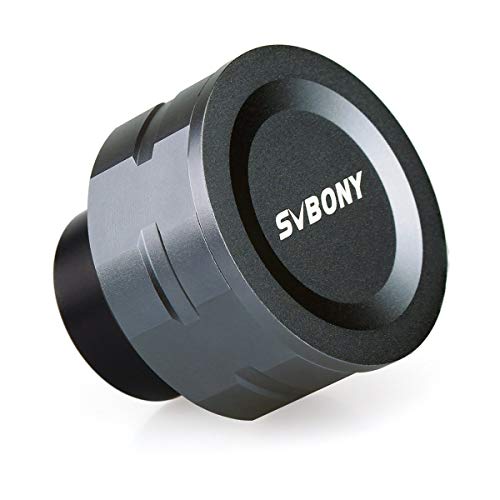
The SV105 is designed as an entry point for astronomical imaging. It functions as an electronic eyepiece compatible with 1.25″ telescope setups, making it especially suitable for beginners who want to dip into astrophotography. It supports lunar and planetary photography, enabling quick captures of bright objects by recording videos from real-time telescope views. It is compatible with Windows via Sharpcap Capture, Linux via AstroDMx Capture, and Android through USB Camera—facilitating flexible software options and easy sharing of images and videos.
64GB Digital Eyepiece Telescope Camera with 2K HD Video

This Unalace eyepiece camera provides a convenient, WiFi-enabled live view for astrophotography sessions. With 2K Ultra HD video and 16MP stills, it supports time-lapse and timed recording for hands-free observation. Its built-in WiFi hotspot allows direct control from a smartphone, making it possible to monitor and adjust settings without a PC. It fits a wide range of telescope setups with eyepieces in the 25–50mm range, which is common for amateur astronomy.
ZWO Seestar S30 All-in-One Smart Telescope
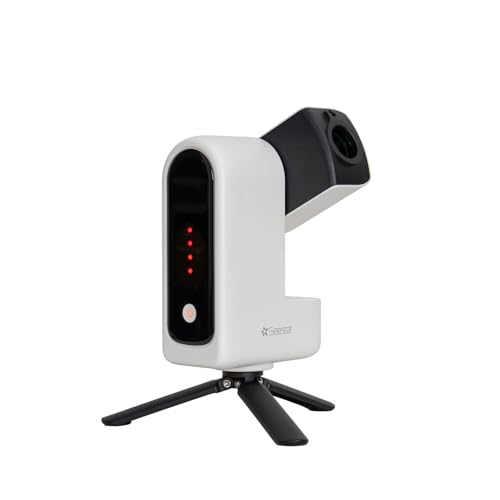
The Seestar S30 integrates a compact telescope with automatic star-finding, precision tracking, and one-tap shooting via the Seestar App. With dual lenses (telephoto and wide-angle), it caters to both deep-sky targets and landscapes, and it offers Stargazing, Scenery, and Solar System shooting modes. This all-in-one system is designed to minimize setup complexity while delivering reliable, repeatable captures for hobbyists looking to explore both sky objects and nightscapes.
SVBONY SV205 Astrophotography Camera
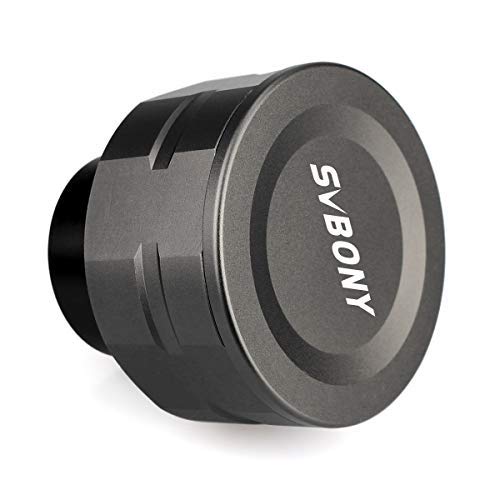
The SV205 is a CMOS camera designed for astrophotography beginners who want to capture real-time video. It supports MJPG at up to 2K resolution with up to 30FPS, and it can also output YUV uncompressed video. Its plug-and-play nature eliminates driver hassles, enabling you to share live images of bright planets, the Moon, and terrestrial scenes with friends and family through a connected PC.
Kodak PIXPRO AZ528 Astro Zoom Bundle
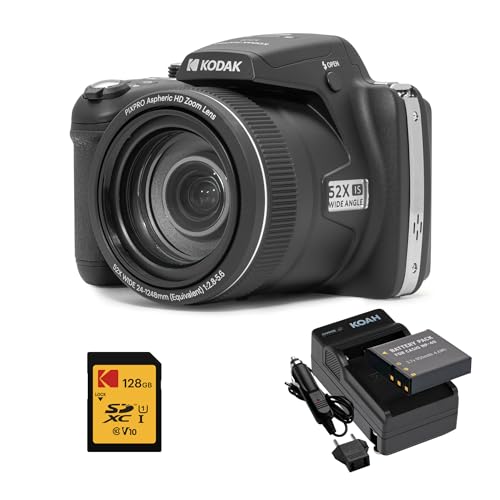
The Kodak PIXPRO AZ528 bundle offers a versatile zoom digital camera with 52x optical zoom and a wide 24mm equivalent lens, suitable for capturing wider night-sky scenes or terrestrial targets. The included 128GB SD Card and rechargeables enhance portability for field use. Wireless control with iOS or Android devices adds convenience for on-the-go imaging and quick transfers to a mobile device for sharing or editing.
Buying Guide: Key Purchase Considerations
Navigating the world of astrophotography cameras involves balancing image quality, ease of use, and compatibility with your telescope or setup. Consider the following factors to choose the right option for your goals.
- Camera type and use case: Decide whether you want a dedicated telescope camera, a WiFi eyepiece, an all-in-one smart telescope, or a versatile consumer camera with astrophotography potential. Each type serves different skill levels and targets.
- Sensor and resolution: Larger sensors and higher resolution generally yield better image quality, especially in low light. For beginners, 2K to 4K video capability and 16–50 MP stills can be a practical balance.
- Connectivity and workflow: Plug-and-play options, driver-free operation, and app-based control simplify setup. Consider whether you prefer direct PC control, mobile control, or both.
- Compatibility and accessories: Check if the camera suits your telescope’s eyepiece size (commonly 1.25″ or 2″). Ensure compatibility with your preferred software (SharpCap, AstroDMx, etc.) and whether adapters are needed.
- Portability and ease of use: For fieldwork, weight, battery life, and setup time matter. All-in-one systems reduce the number of components, while standalone cameras can offer more customization.
- Video vs. stills: If you prioritize planetary detail and lunar imaging, video capture with stacking may yield the best results. For deep-sky targets, longer exposures and stable tracking are key.
- Budget and future-proofing: Entry-level options may suffice for beginners, but consider potential upgrades (guiding accessories, larger sensors, or modular cameras) to grow with your skills.
Comparison Snapshots
For quick reference, here’s how these five options stack up in practical terms for beginners exploring astrophotography:
- SV105: Easy lunar/planetary imaging with 1.25″ eyepiece integration; ideal for quick field sessions and concept testing.
- Unalace: WiFi-enabled live view with 2K video and 16MP stills; best for smartphone-based control and portability.
- ZWO Seestar S30: All-in-one smart telescope with automatic star-finding; reduces setup time and is great for learning star-hopping.
- SV205: Real-time 2K/1080p video with driver-free operation; emphasizes immediate sharing and low-friction workflows.
- KODAK AZ528: Bundle-friendly option with strong zoom and broad versatility; good for general photography alongside occasional night-sky shots.
Each product serves different imaging goals—from entry-level planetary videos to portable all-in-one astrophotography setups. When selecting, align your choice with the types of targets you plan to image, your preferred workflow, and how much setup you’re willing to manage on a typical night of observing.