Best Budget 35mm Photo Development and Scanning Solutions for 35mm Film
For photographers working with 35mm film, affordable options to develop, scan, and preserve memories exist beyond traditional labs. This guide highlights practical tools for at‑home development, digitizing old slides and negatives, and affordable film stock choices. The picks emphasize ease of use, portability, and value, helping you digitize memories without breaking the bank.
| Product | Brand | Type |
|---|---|---|
| KLIM K2 Mobile Photo Digitizer 35mm | KLIM | Digitizer / Developing Kit |
| KLIM K2 Mobile Film Scanner 35mm | KLIM | Film Scanner / Developing Kit |
| Darkroom Developing Equipment Kit Film Processing | eTone | Developing Kit |
| KLIM K2 Mobile Film Scanner 35mm – Free APP | KLIM | Scanner / App |
| Harman Photo Phoenix ISO 200 C41 Color Negative Film | Harman Photo | Color Negative Film |
KLIM K2 Mobile Photo Digitizer 35mm

The KLIM K2 is a foldable film scanner designed to digitally preserve memories from 35mm negatives, positives, and slides. It lets you view, scan, convert, and digitize film directly to your smartphone in minutes. The kit includes batteries, a cleaning cloth, and a magnetic plate for larger phones, making it versatile for home use. An accompanying KLIM Film Scanner app provides a no‑subsidy path to digitization without costly equipment or subscriptions.
Key features include compatibility with black & white, color positives, negatives, and color slides, plus an easy setup for quick results. This option is positioned as an economical, simple entry point for at‑home development and digitizing, with a user‑friendly manual to guide first‑timers through the process.
KLIM K2 Mobile Film Scanner 35mm + New + Positive & Negative Scanner

This 35mm film scanner kit again emphasizes convenience, offering a mobile scanning experience with a free app. It supports 35mm black-and-white, color positives, negatives, and color slides, and includes batteries, a cleaning cloth, and a magnetic plate for larger devices. The design aims to deliver digitized copies quickly while keeping the cost low compared to traditional scanners. App features may include basic editing and saving functions for easy sharing.
The package is marketed as an at‑home development station, allowing fast digitization of old films and slides. It prioritizes portability and speed, enabling you to preserve memories before degradation accelerates. For those who want a simple, budget‑friendly path to digital versions, this kit supplies essential elements without the complexity of high‑end equipment.
Darkroom Developing Equipment Kit Film Processing

This developing kit provides a comprehensive set for 120, 135, and 35mm color and black & white film processing. Included items cover the essential workflow: a timer clock, chemical bottles, a changing bag, gloves, a film canister opener, a developing tank with reels, measuring tools, thermometers, and a loupe magnifier. It is designed for at‑home darkroom work, offering an all‑in‑one solution for those who want hands‑on development rather than outsourcing.
The kit’s components are described as suitable for simultaneous or sequential processing, with compatibility for multiple film formats. The bundle targets hobbyist and budget-conscious photographers seeking a complete, affordable setup. While it provides robust equipment, users should be mindful of chemical handling safety and proper labeling for at‑home use.
KLIM K2 Mobile Film Scanner 35mm – Free APP

This KLIM model emphasizes a free app experience, enabling easy scanning and editing of 35mm film on your phone. The scanner supports black & white, color positives, negatives, and color slides, with a focus on a simple home workflow. Batteries, cleaning cloth, and a magnetic plate for larger smartphones are included, reinforcing the theme of an accessible DIY development setup. The app is marketed as a feature-rich, no‑subscription solution for digitizing memories.
Users should evaluate whether the included app features meet their needs for basic edits, crop, color correction, and file storage. As with other mobile‑oriented kits, the balance between cost, portability, and scan quality will influence the overall value for different users—especially those who want quick previews over professional archival quality.
Harman Photo Phoenix ISO 200 C41 Color Negative Film
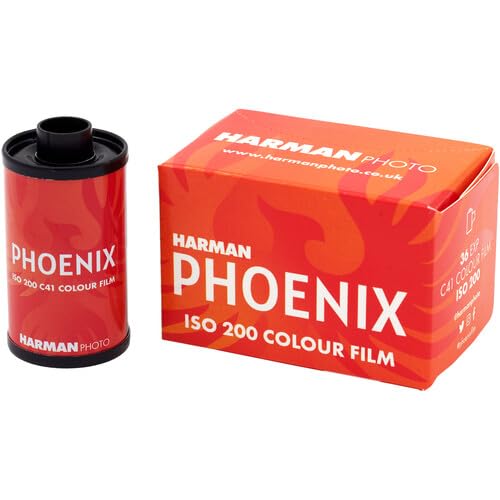
Harman Phoenix 200 is a color negative film designed for C41 processing, offering punchy contrast and vibrant color. With 36 exposures, it emphasizes a classic color look and strong grain characteristics that appeal to analog photographers seeking distinctive, filmic results. This stock operates well in rangefinder and SLR cameras of 35mm format and is often used for everyday shoots and experimentation with color palette and grading in post‑processing.
Paterson #119 Adjustable Plastic Auto Load 35mm, 126, 127, 120 and 220

The Paterson #119 reel offers an adjustable, auto‑load design compatible with multiple film formats, including 35mm, 126, 127, 120, and 220. Built for use in Paterson Super System 4 Tanks, the twin ball ratchet mechanism helps ensure easier, more reliable loading. This reel is a practical option for hobbyists who want a flexible, durable component for home development and processing of different film sizes.
Classic Adjustable Plastic Film Developing Reel For 35mm & 120/220 Size Film

AP Classic’s adjustable plastic developing reel handles 35mm and 120/220 formats, offering a simple, affordable option for film loading in developing tanks. The reel’s versatility makes it a sensible addition for those experimenting with different film stocks or taking on a multi-format darkroom setup. Users should ensure compatibility with their specific developing tank system to maximize loading reliability.
Buying Guide: Key Purchase Considerations For Cheap 35mm Photo Development
When choosing budget tools for cheap 35mm development and digitization, consider the following factors:
- Intended workflow: Decide whether your priority is quick digitization, full darkroom development, or a balance of both. Mobile film scanners and apps excel at speed and convenience, while traditional kits emphasize hands‑on control.
- Compatibility: Check whether devices support black & white, color negatives, positives, and color slides. Ensure your camera and paper format align with 35mm film and any included accessories.
- Consumables and upkeep: For developing kits, factor in chemistry availability, storage space, and safety practices. For scanners, assess battery life and app reliability.
- Scannable quality vs cost: Budget scanners offer practical digitization, but high‑end devices may deliver better detail. Consider resolution, color fidelity, and ease of use for your needs.
- Future expansion: If you plan to process multiple formats or extend to color printing, choose reels and tanks with broad compatibility to avoid frequent upgrades.
- Educational value: For beginners, kits with included manuals and guided app features help reduce learning curves and improve results.
Despite budget constraints, the options above provide practical paths to preserve and digitize 35mm film. By understanding your primary goal—digital archiving, creative development, or quick sharing—you can pick a combination of a scanner, developing kit, and film stock that aligns with your needs. Each product line presents different strengths: KLIM devices emphasize convenience and app support; eTone offers robust developing gear; Harman’s film stock provides distinctive color characteristics for analog experiments.