Best Cameras YouTubers Use for High-Quality Vlogs and Content
The following cameras and accessories are popular choices among YouTubers for capturing crisp video, sharp photos, andsmooth stabilization. This guide highlights five versatile options across budgets and styles, from compact point-and-shoots to dedicated camcorders and professional lighting. Each pick comes with its notable strengths for vlogging, live streaming, and on-the-go production, helping creators choose gear that fits their channel needs and workflow.
| Product | Brand | Notable Benefit | Link |
|---|---|---|---|
| 5K Video Camera Camcorder 56MP WiFi IR Night Vision | FIREFOTO | 5K video, 56MP stills, remote control | Amazon |
| FLATIC 4K 75MP Digital Camera | FLATIC | True 4K60, 75MP photos, long zoom | Amazon |
| Digital Camera 44MP FHD | ceye | Compact, 44MP, 16x zoom | Amazon |
| Canon PowerShot ELPH 360 | Canon | 12x zoom, Wi-Fi, image stabilization | Amazon |
| DJI Osmo Mobile 3 | DJI | Gimbal for smartphones, foldable, gesture control | Amazon |
Choosing the right camera setup depends on your channel format, lighting conditions, and editing workflow. The selections below cover a range of use cases—from all-in-one camcorders with built-in stabilization to compact cameras that pair with smartphone rigs, plus essential lighting options to elevate production value. Each product section includes practical notes that help compare capabilities for content creators on YouTube and related platforms.
FIREFOTO 5K Video Camcorder for YouTubers

The FIREFOTO camcorder is designed for creators needing high-resolution capture with handy connectivity. It records 5K video at 25fps and captures 56MP stills, making it suitable for mouthfuls of detail in product reviews, travel videos, and sit-down tutorials. A 3-inch touchscreen tilts for easier framing and a 16X digital zoom helps bring distant scenes into view. Note that the fixed-focus lens means users should plan scenes within an optimal shooting distance, and autofocus is not available. The built-in Wi‑Fi enables simple sharing via the Lercenker app, and infrared night vision helps shoot in low-light or dim environments. A foldable stabilizer and remote control expand shooting options, especially for hands-off or group recording scenarios. A caveat: enabling electronic image stabilization (EIS) can limit 5K/25fps recording and disable zoom at times, so settings depend on the shot you want. This camera ships with a stabilizer, hood, and two batteries for extended shooting sessions.
FLATIC 4K 75MP Digital Camera

FLATIC’s camera focuses on long-range versatility, offering 4K at 60fps for smooth, cinematic footage with a 20X optical zoom for distant subjects. The 75MP stills provide ample detail for thumbnails, post-production editing, or large-format prints. The device aims at creators who shoot both landscapes and action with dependable color and clarity. The 4K60 capability helps maintain a professional look in vlogs, tutorials, and travel videos, while the impressive zoom helps capture wildlife, sports, or events without proximity. The user experience emphasizes travel-friendly operation and a straightforward workflow for YouTube content creators who need reliable, high-quality footage with minimal post-processing.
ceye Digital Camera with 44MP and 16X Zoom
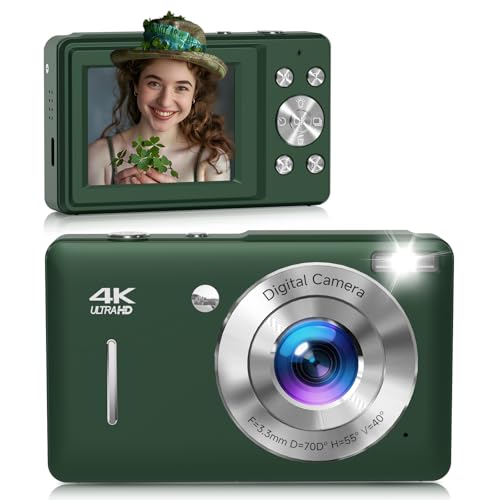
The ceeye camera focuses on compact usability with a high-resolution 44MP photo mode and 1080P video. Its 16X digital zoom allows close-ups from a distance, which is ideal for travel vlogs, family moments, or classroom-style demonstrations. The device emphasizes顔 detection and smile capture to keep subjects engaged, while built-in features like autofocus and anti-shake support produce stable stills and video. The camera’s modest size and memory expansion via microSD cards make it accessible for beginners, students, and younger creators who want a straightforward, budget-friendly option for daily content creation.
Canon PowerShot ELPH 360
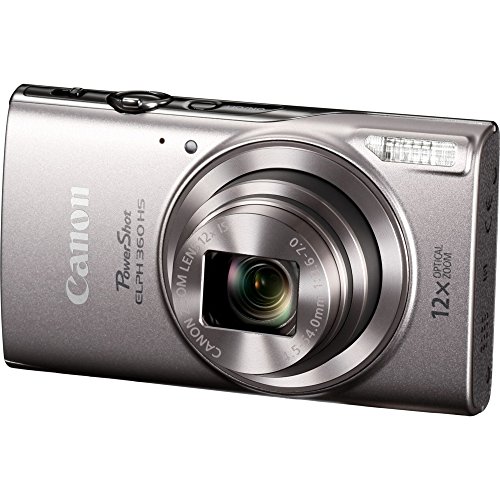
The Canon PowerShot ELPH 360 combines a broad 12x optical zoom with Optical Image Stabilization, enabling flexible framing across scenes—from wide landscapes to close-ups. Its built-in Wi‑Fi and NFC simplify sharing and transferring files to mobile devices, which can accelerate publishing workflows. A large 3.0-inch LCD screen aids composition and playback, particularly for beginners. The camera’s 20.2 MP CMOS sensor and DIGIC 4+ processor deliver solid image quality in varied lighting, making it a practical choice for hobbyists and creators who want a reliable, user-friendly option for YouTube thumbnails and on-site shoots.
DJI Osmo Mobile 3 Smartphone Gimbal

The DJI Osmo Mobile 3 is a compact, foldable gimbal designed to stabilize smartphone footage. Weighing about 405 g, its single-handed control makes it ideal for on-the-go vlogging, event footage, and mobile live streaming. Gesture controls enable quick hands-free recording and selfies, while the foldable form factor supports easy travel. This device complements camera setups where the primary camera is a smartphone or where creators want smoother mobile footage without a larger stabilizer rig. The Osmo’s portability and ease of use can help new creators achieve steady shots with minimal setup time, enhancing overall video quality for YouTube uploads and social media clips.
Reflex Camera 200W Bowens LED Light

This 200W Bowens LED light offers adjustable color temperature from 3200K to 5600K, enabling consistent lighting for different time-of-day looks or mood settings. A Bowens mount supports a variety of modifiers such as softboxes, umbrellas, or reflectors, giving creators flexibility to shape light for portraits, tutorials, and product reviews. Silent operation and efficient heat dissipation make it suitable for livestreams or studio shoots where noise must be minimized. Whether used as key light, fill, or background illumination, this option helps maintain professional lighting quality in YouTube videos and streaming sessions.
Buying Guide
Key purchase considerations for camera gear used by YouTubers include sensor size, video resolution, stabilization, audio compatibility, and workflow fit. For handheld vlogs, emphasis on optical or electronic stabilization helps maintain smooth footage. Fixed-focus lenses, as seen in some camcorders, require planning around shooting distance, while interchangeable lenses offer flexibility for different scenes but add complexity and cost. Lighting is often overlooked but crucial; even high-end cameras can underperform in poor light without adequate illumination. When selecting gear, consider your content type (sits-down tutorials, travel vlogs, live streams, or product reviews), the planned shooting environments (indoor studios vs. outdoor, daylight vs. night), and your editing pipeline.
Another important factor is connectivity and data management. Wi‑Fi or app-based control can streamline remote shooting and quick transfers to mobile devices or editing rigs. For longer shoots, battery life and the availability of spare batteries or power sources matter greatly. If you frequently shoot on location, a compact camera with a reliable zoom and good autofocus can save time; for studio-heavy content, a stable gimbal, professional lighting, and a capable camcorder may be more appropriate. Finally, align your choice with your budget and growth path—upgrading from a smartphone gimbal and point-and-shoot to a dedicated camcorder or higher-end mirrorless system is common as a channel scales.