Best Cameras for Live Streaming: Top Picks for 2026
When choosing a live-streaming camera, you need reliability, clear video, flexible connectivity, and easy control. The following five models cover a range of use cases—from compact, travel-friendly setups to cellular options for remote locations and multi-input switchers for professional streams. Each product is evaluated for image quality, streaming options, and app or control features to help you decide which fits your workflow.
| Product | Brand | Video Quality | Connectivity | Special Features |
|---|---|---|---|---|
| Logitech for Creators Mevo Start | Logitech for Creators | 1080p HD | Wi-Fi, Ethernet, LTE | Auto-Director, mobile app control |
| NearStream VM46 | NearStream | 4K / 1080p | LTE / Wi-Fi, 3.5mm audio | 8-MEMS mic array, AI noise canceling |
| Oculview Cellular Trail Camera | Oculview | 2K Live | Built-in 4G LTE | Solar power, no WiFi needed |
| Meidase P90 Pro | Meidase | 2K / 1296p | Wi-Fi, Bluetooth | External antenna, fast streaming |
| Birdbuddy PRO Solar | Bird Buddy | 2K HDR | WiFi | AI bird identification, solar powered |
Logitech for Creators Mevo Start: Portable Live Streaming
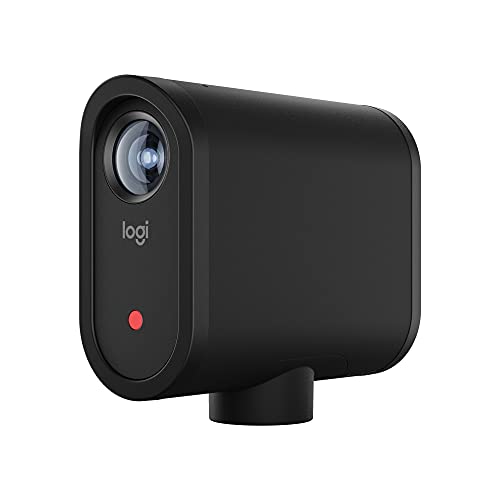
The Mevo Start is designed for mobile streaming with a compact form factor and flexible network options. It records and streams in 1080p HD, providing crisp, detailed video right out of the box. The device supports streaming over Wi-Fi, Ethernet, or your smartphone’s LTE connection, enabling you to go live from virtually any location. An intelligent app control system offers features such as Auto-Director, which helps craft more engaging broadcasts without a full production crew. This makes it a strong choice for solo creators and small teams who value ease of use and mobility.
NearStream VM46: 4K Live Streaming With Crystal Audio

The NearStream VM46 targets higher-end streamers who demand 4K quality and robust audio. It features a 60X hybrid zoom and supports 4K at 30FPS with 1080p at 30FPS, delivering four times the resolution of standard HD. An eight-microphone array captures 360° audio within a 16-foot radius, and the AI-driven noise-canceling system reduces background noise for clearer sound. The NearStream APP provides direct control for captioning, image formatting, and video quality, giving streamers the feel of directing a professional studio from a smartphone.
Oculview Cellular Trail Camera: No WiFi Needed

The Oculview cellular trail camera excels in remote setups where WiFi isn’t available. It streams over a built-in 4G LTE SIM card, enabling real-time access to live feeds without relying on local networks. The camera is solar-powered for extended field use and supports motion-activated recording. This solution is ideal for remote sites such as job sites, farms, or off-grid locations where continuous connectivity and low maintenance are critical. With 2K live streaming and phone access, you can monitor activity and respond promptly from anywhere.
Meidase P90 Pro: WiFi/Bluetooth Live Streaming

The Meidase P90 Pro blends ease of use with solid streaming capabilities. It supports WiFi and Bluetooth connectivity for quick pairing with a mobile device, and it includes a Sony sensor for high-quality stills and video. The camera offers 2K live streaming, with an external antenna to improve signal reliability in challenging locations. It’s designed for content creators who need dependable remote streaming without a constant WiFi footprint, making it suitable for outdoor shoots and hunting or wildlife coverage with real-time sharing to a connected device.
Birdbuddy PRO Solar: Smart Bird Watching Camera

The Birdbuddy PRO Solar blends wildlife observation with streaming, featuring a 2K HDR video stream and AI-powered bird identification via the Birdbuddy app. The solar-powered design minimizes downtime, ensuring ongoing data capture in outdoor environments. The AI capabilities support real-time alerts and species recognition, making it a compelling option for nature-focused streams, educational broadcasts, or casual backyard content where wildlife engagement is a central theme. Privacy safeguards and data control are emphasized in the app’s workflow, focusing on birds at the feeder.
Buying Guide: Key Considerations For Live Streaming Cameras
Choosing the right camera for live streaming depends on your environment, audience expectations, and production goals. Consider these factors to refine your decision:
- Video quality and frame rate: For most online audiences, 1080p is standard, but 4K provides future-proofing if you plan to upscale later. Check whether the camera supports 60fps for smooth motion in action content.
- Connectivity: Assess whether you need Wi-Fi, Ethernet, LTE, or cellular options. Mobile or remote locations often demand cellular streaming, while studio setups benefit from wired connections for stability.
- Audio performance: Integrated microphones vs. external mics can dramatically affect viewer experience. Look for cameras with multi-mic arrays or easy external mic compatibility.
- Control and automation: Apps that offer auto-director features, captioning, or on-the-fly adjustments save time and enhance production value, especially for solo streamers.
- Power and location: Battery life or solar-powered options are crucial for outdoor streams or locations without reliable power. Consider POE (Power over Ethernet) or long-lasting battery packs for endurance.
- Portability vs. rigidity: For mobile streaming, compact cameras with easy mounting and quick setup are ideal; for studio environments, multi-input switchers and external controllers may be necessary.
- Storage and compatibility: Ensure the device supports your preferred streaming platforms (YouTube, Twitch, Facebook Live, RTMP) and integrates smoothly with your preferred software (OBS, vMix, Teams).
When evaluating a camera, align features with your primary use-case: casual backyard broadcasts, professional live events, wildlife or field reporting, or education and training sessions. Each option above offers distinct strengths—mobility and ease of use, high-resolution audio capture, cellular independence, or AI-assisted features—so you can select a model that fits your streaming workflow without overpaying for features you won’t use.