Best Camera Lenses for Bird Photography
Bird photography demands reach, sharpness, and reliability. The following lenses and lens kits are tailored to capturing distant avian subjects with clarity and minimal distortion. From smartphone telephoto adapters to full-frame telephoto workhorses, this guide covers options across budgets and camera systems to help you observer more, frame better, and photograph with confidence.
Summary Table of Chosen Products
| Product | Brand | Key Benefit | Link |
|---|---|---|---|
| 32X Telephoto Phone Lens | MoYinG | High magnification for distant subjects with smartphones | View |
| Xenvo Pro Lens Kit | Xenvo | Wide and macro versatility with LED light | View |
| Yanuoda 420-800mm Telephoto Zoom | Yanuoda | Long reach with full-frame compatibility (manual focus) | View |
| APEXEL 36x Telephoto Lens | APEXEL | High magnification for iPhone and mobile photography | View |
| 36x Telephoto iPhone Lens (Outdoor Use) | APEXEL | Outdoor wildlife capture with strong zoom | View |
32X Telephoto Phone Lens For Birds

The MoYinG 32X Telephoto Phone Lens attaches to most smartphones via an adjustable clip, expanding your reach to capture distant birds with notable detail. Its 32x optical zoom helps you isolate subjects in open skies or dense foliage, while the portable, lightweight design supports quick setups during field sessions.
Key Features
- 32X optical zoom magnification for distant subjects
- Adjustable clip-on mounting system for compatibility with most smartphones
- Compact and lightweight for on-the-go use
Xenvo Pro Lens Kit For Phones

The Xenvo Pro Lens Kit combines a 0.45x wide-angle lens with a 15x macro lens, plus a TruGrip clip and LED GlowClip. This kit supports wide landscapes and close-up details of perched or feeding birds, and the LED light helps in low-light outdoor moments. It is designed for broad device compatibility and high-quality optical performance.
Yanuoda 420-800mm Telephoto Zoom

This multi-mount telephoto lens covers 420-800mm, enabling high-reach shots of birds from a distance. It includes three adapters (Canon EF/EF-S, Nikon F, Sony E) for cross-brand flexibility. The lens is manual focus with no autofocus or stabilization, encouraging deliberate composition and control, suitable for moon photography and distant wildlife.
APEXEL 36x Telephoto Lens For iPhone

The APEXEL 36x Telephoto Lens offers substantial magnification for iPhone users seeking to photograph birds from a distance. It is designed for outdoor use, providing long-range capabilities with a focus on sharpness and natural color reproduction, ideal for field birds and wildlife moments.
Bree’s Bird Watching T Shirt

Note: This product is included for completeness of the bird-watching catalog but is not a lens. It can complement field sessions with comfy wear during long observation days.
Bird On Long Lens T-Shirt
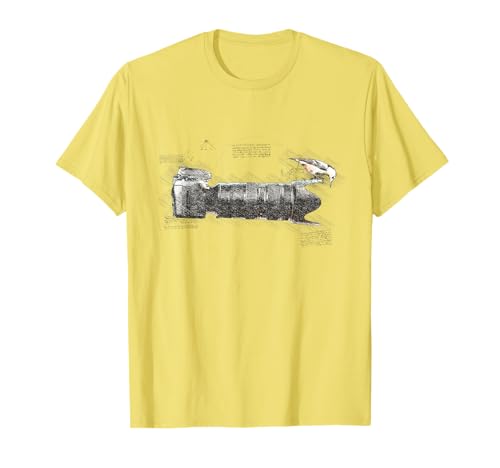
Another apparel option reflecting bird photography enthusiasm. While not a lens, it can be part of a bird-watching wardrobe for comfortable field wear.
Buying Guide: Key Purchase Considerations For Bird Photography Lenses
- Reach vs. portability: Longer telephoto zooms deliver more detail at distance but add weight and handling challenges. Balance your typical bird sizes and distances with the need to carry gear for longer hikes.
- Autofocus and stabilization: Many consumer telephotos rely on lens or camera stabilization. For handheld street or field use, consider kits with stabilized optics or body-based stabilization to minimize shake at long focal lengths.
- Compatibility: Confirm mount compatibility (Canon, Nikon, Sony, Micro Four Thirds, or smartphone interfaces). Smartphone lenses require an adjustable clip and may offer less control than dedicated cameras.
- Manual vs. autofocus: Some lenses (like the Yanuoda 420-800mm) prioritize manual focus, encouraging deliberate composition. If you photograph fast-moving birds, autofocus performance is crucial.
- Image quality: Look for multi-element, coated optics to reduce ghosting, reflections, and color fringing. Consider macro capabilities if you plan close-up bird details like feather textures.
- Size and setup time: Field birds often require quick setups. Lightweight, compact designs or clip-on adapters can help with mobility and rapid subject switching.
- Lighting conditions: Early morning and late afternoon light affects color and sharpness. Lenses with good contrast and light-gathering ability help in low light without excessive ISO.
- Budget and replacement strategy: Beginning bird photographers may start with smartphone adapters or entry-level telephotos before investing in longer, higher-end glass. Plan for future upgrades as you refine your craft.
These considerations help build a flexible toolkit for bird photography, balancing reach, image quality, and field practicality. Whether you are capturing distant waterfowl or close-up songbirds, choosing the right combination of lens characteristics and shooting habits will improve your success rate in the field.