Best Camera Lens Microfiber Cloths for Clearer, Safer Cleaning
Protect your lenses and screens with specialized microfiber cloths designed for photography gear, glasses, and devices. This guide highlights top-rated options that resist scratches, remove dust and oils, and keep coatings intact. Below you’ll find concise product summaries, a quick comparison table, and practical buying tips to help you choose the right cloth for cameras, glasses, and screens.
| Product | Brand | Key Benefit |
|---|---|---|
| MagicFiber Microfiber Cleaning Cloth (6 pack) | MagicFiber Store | Lint-free, safe on lenses and screens |
| Koala Lens Cleaning Cloth | Koala Lifestyle Store | Japanese microfiber, lint-free, all-optics friendly |
| SmoTecQ 12 Pack Microfiber Cloths | SmoTecQ Store | Ultra-soft, scratch-free, individually wrapped |
| World Best Classic Art Collection Cloth | World Best | Large, versatile for lenses and screens |
| KLOVEO Polishing Cloth | KLOVEO | Lint-free, suitable for glassware and electronics |
MagicFiber Microfiber Cloths For Lenses And Screens
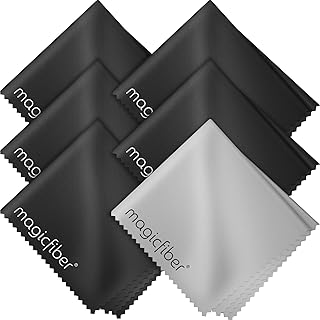
MagicFiber Microfiber Cleaning Cloth comes in a six-pack with five black and one grey cloth, each measuring 6 x 7 inches. The fabric is designed to absorb dust, oil, smudges, fingerprints, and dirt without scratching or leaving lint. It’s marketed as an all-purpose cleaner for eyeglasses, screens, TVs, and other glass surfaces. The cloths are individually packaged to stay clean until use, making them convenient for travel or daily carry. Suitable for reading glasses, sunglasses, cameras, and optics. The soft, lint-free material helps protect coatings during routine cleaning.
Koala Lens Cleaning Cloth (6 Pack)

Koala Lens Cleaning Cloth uses Japanese microfiber engineered for high-density, ultra-dense cleaning. The fabric is designed to absorb stubborn dirt and oils, delivering a streak-free finish on optics and screens. It’s advertised as compatible with AR/VR headsets, professional camera lenses, polarized sunglasses, and touch screens. The cloth’s lint-free quality helps prevent fibers from transferring to delicate coatings and lenses. With a focus on precision optics, these cloths aim to preserve clarity while removing grime from challenging surfaces.
SmoTecQ Microfiber Cloths – 12 Pack

The SmoTecQ set includes twelve ultra-soft microfiber cloths sized 7×6 inches, designed to wipe away fingerprints, smudges, oil, and dust without scratching. The cloths are gentle on coated, polarized, AR, and blue-light lenses, making them suitable for cameras, phones, tablets, and computer displays. Each cloth is individually wrapped for clean storage, which is convenient for travel, camera bags, or office use. The variety in the pack provides a practical option for households or photography studios needing multiple cleaning cloths at once.
World Best Classic Art Collection Microfiber Cloth
These classic art collection microfiber cloths emphasize large size and versatile use, making them a practical option for cleaning camera lenses, glasses, screens, and other smooth surfaces. The listing suggests a premium quality microfiber suitable for general cleaning duties across multiple devices. As with other cloths, it’s important to use gentle motions and avoid abrasive pressure that could affect coatings. The cloths are ideal for multi-device upkeep, travel kits, or studio setups needing dependable cleaning options.
KLOVEO Polishing Cloth
Polishing Cloths from KLOVEO are designed as lint-free microfiber options suitable for glassware, camera lenses, sunglasses, phone screens, and other delicate surfaces. These items emphasize clean, streak-free results and gentle handling to prevent micro-scratches. While specific technical details aren’t listed, the cloths align with general polishing cloth expectations: soft texture, residue-free wiping, and broad compatibility with both optics and electronics. They can be a practical addition to camera bags, travel kits, or home cleaning routines for sensitive devices.
Buying Guide: Key Considerations For Lenses And Screens
- Material quality: Look for high-density, ultra-soft microfiber that resists shedding and won’t scratch coatings. Japanese or premium fibers are often a sign of better performance.
- Lint-freeness and coating safety: Choose cloths advertised as lint-free and safe for anti-reflective coatings, polarization, and blue-light lenses to protect delicate surfaces.
- Size and packaging: Sizes around 6×7 inches offer versatility for most lenses and screens; individual wrapping helps keep cloths clean for travel or field work.
- Color and polishing ability: Some cloths are designed to leave no residue and work well with quick, gentle wipes; avoid overly aggressive rubbing which can cause micro-scratches on coatings.
- Storage and reusability: Reusable cloths maintain performance after washing; consider whether the cloths are easy to wash by hand or machine and if they come with protective packaging.
- Use cases: If you frequently clean camera lenses, eyeglasses, or screens, a mixed pack can offer a balance of cloths tailored to various sensitivities.
- Travel practicality: Cloths that come in protective pouches or polybags stay clean in bags and cases, reducing the risk of transferring grit to lenses.
Choosing the right microfiber cloth involves balancing softness, density, and compatibility with your devices. For cameras and precision optics, prioritize lint-free, gently woven fibers that lift particles rather than smear them. For screens and glasses, select cloths that remove oils without leaving fibers behind. If you regularly clean multiple devices, a variety-pack or larger set can simplify maintenance without repeatedly purchasing single-use wipes.
When cleaning, use a light touch and short, straight strokes. Avoid circular motions that can grind dust into coating layers. If a cloth becomes visibly dirty, switch to a clean area or a new cloth to prevent transferring debris. Regularly inspecting cloths for wear and replacing them when fibers shed helps maintain optimal cleanliness and equipment safety.