Best Camera Equipment for Capturing Stunning Night Sky Photography
Capturing the night sky in all its glory requires specialized camera equipment that can handle low light conditions and reduce light pollution. In this guide, we feature top-rated night sky cameras and accessories that enhance your astrophotography experience—from motorized tracking mounts to advanced light pollution filters. Below is a summary table with key highlights of the best products chosen:
| Product | Brand | Key Feature | Amazon Link |
|---|---|---|---|
| Sky-Watcher Star Adventurer 2i Pro Pack | Sky-Watcher | Wi-Fi controlled motorized tracking mount | View Product |
| Sky-Watcher Star Adventurer 2i Astro Pack | Sky-Watcher | Illuminated polar finderscope for precise alignment | View Product |
| K&F Concept 58mm Clear Natural Night Filter | K&F Concept | Multi-layer coating reduces light pollution without color cast | View Product |
| Kase Clip-in Neutral Night Light Pollution Filter | Kase | Clip-in filter for Sony full-frame mirrorless cameras | View Product |
| Haida Clear-Night NanoPro Light Pollution Filter | Haida | Optical glass with anti-reflection nano coating | View Product |
Sky-Watcher Star Adventurer 2i Pro Pack Motorized Night Sky Tracker
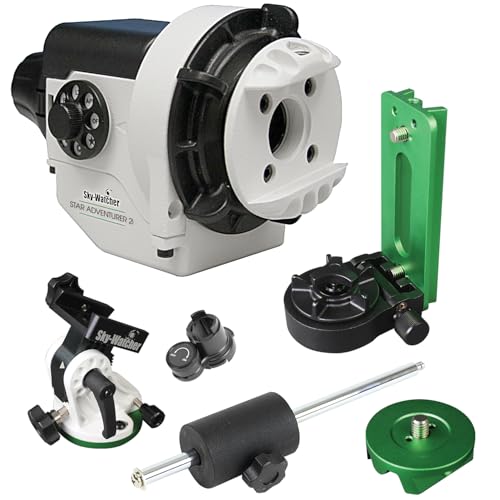
The Star Adventurer 2i Pro Pack by Sky-Watcher is a versatile motorized tracking platform designed for DSLR night sky photography. Perfect for capturing detailed Milky Way shots, eclipses, and other celestial phenomena, it supports both wide-field astrophotography and telescopic imaging. Its modular design fits standard photographic tripods, enabling seamless integration into your existing setup. Enhanced with Wi-Fi connectivity, it allows wireless control through the SAM Console app, giving you the convenience to adjust tracking speed and camera settings remotely. Ideal for long-exposure panoramas and time-lapse sequences, this pack is suited for amateur and advanced astrophotographers alike.
Sky-Watcher Star Adventurer 2i Astro Pack Night Sky Tracker

The Star Adventurer 2i Astro Pack is another great option from Sky-Watcher that offers reliable motorized tracking for night sky photography. It features a built-in illuminated polar finderscope, making it easier to accurately align your mount with Polaris for precision tracking. This device supports wide-field astrophotography as well as time-lapse and panoramic shots. Its compact, modular design can integrate with existing tripods, making it portable for astrophotographers on the go. The motorized platform allows you to capture detailed images of celestial bodies with minimal star trailing.
K&F Concept 58mm Clear Natural Night Filter for Light Pollution Reduction

This 58mm natural night filter by K&F Concept dramatically reduces the impact of light pollution on night city and star photography. Featuring 28 multi-layer coatings on both sides, the filter ensures excellent light transmission without any color cast. Its ultra-slim 0.15-inch frame minimizes vignetting on wide-angle and telephoto lenses. Additionally, the waterproof, oil-resistant, and scratch-resistant qualities protect your camera lens while enhancing image clarity, contrast, and color fidelity. This filter is ideal for photographers seeking to capture clearer night skies in light-polluted environments.
Kase Clip-in Neutral Night Light Pollution Reduction Filter for Sony Cameras

The Kase Clip-in Neutral Night Filter specially designed for Sony full-frame mirrorless cameras installs inside the camera body in front of the CMOS sensor. This design eliminates any impact on lens operation while significantly reducing the yellow and orange glow caused by mercury vapor, sodium, and other low-CRI streetlights. The filter isolates harmful artificial light wavelengths, improving image contrast and visibility of stars during night sky photography. Compatible with a wide range of Sony Alpha models, this clip-in option is perfect for photographers looking to reduce light pollution without losing image quality.
Haida Clear-Night NanoPro Filter for Light Pollution Reduction
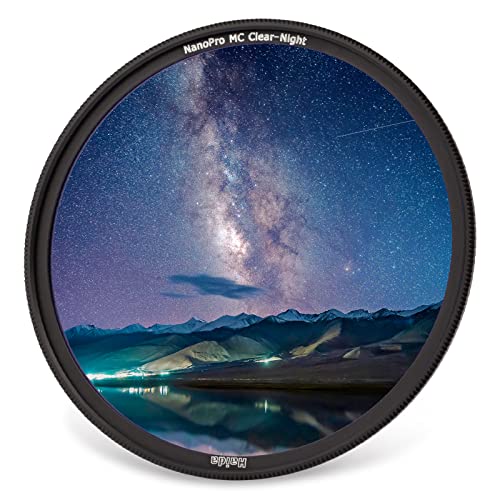
The Haida Clear-Night NanoPro Filter uses specially formulated optical glass and multi-layer anti-reflective coatings, including a nano coating that repels water and oil for easier cleaning. It reduces light pollution by absorbing yellow sodium vapor lamp light common in urban settings. This absorption prevents dominant polluted wavelengths from affecting your imagery, thereby enhancing the visibility and contrast of stars and astronomical objects. Its high clarity and color fidelity make it a valuable accessory for astrophotographers seeking superior image quality in areas with artificial lighting.
Buying Guide for Night Sky Photography Gear
Camera Tracking Mounts
Purpose: Tracking mounts compensate for Earth’s rotation, allowing longer exposures without star trails.
Key features to consider:
- Motorized tracking accuracy: Ensures smooth and precise tracking, critical for detailed star images.
- Wi-Fi and smartphone control: Enables remote adjustments to tracking speed and settings without disturbing the setup.
- Polar alignment tools: Illuminated polar finderscopes make setup easier and improve tracking precision.
- Compatibility: Check if the mount integrates easily with your existing tripod and camera equipment.
- Portability: Lightweight and compact design is ideal for nightscape photographers needing mobility.
Light Pollution Filters
Purpose: Reduce unwanted artificial lighting effects for clearer night sky images.
Key factors to evaluate:
- Filter type: Screw-on, clip-in, or square filters—choose based on your camera and lens setup.
- Light wavelength blocking: Look for filters designed to absorb sodium vapor and mercury vapor light.
- Multi-layer coatings: Enhance light transmission, prevent reflections, and resist scratches or fingerprints.
- No color cast: The filter should preserve natural color tones for accurate astrophotography.
- Size compatibility: Ensure filter diameter matches your lens or camera body specifications.
Additional Considerations
- Lens quality: A fast lens with wide apertures (f/2.8 or lower) is beneficial for night sky photography.
- Camera sensor sensitivity: Full-frame cameras typically perform better in low light conditions.
- Tripod stability: Use a sturdy tripod to avoid vibrations during long exposures.
- Weather conditions: Clear, dark skies without moonlight maximize visibility of stars.