Best Black and White Film Options for Classic Photography
For photographers seeking authentic monochrome tonality, film photography offers a tactile look that digital cannot easily replicate. This guide highlights select black and white films that deliver rich grain, broad latitude, and dependable contrast for versatile shooting styles—from street photography to portraiture and landscape work.
Summary of chosen products:
| Product | Brand | Format | ISO | Exposures |
|---|---|---|---|---|
| Kodak Tri-X 400TX Professional Black & White Film | Ritz Camera | 35mm | 400 | 24 Exposures |
| Ilford 1574577 HP5 Plus | Ilford | 35mm | 400 | 36 Exposures |
| Ilford HP5 Plus 35mm | Ilford | 35mm | 400 | 24 Exposures |
| Ilford Photo Single Use Camera HP5+ 135 | Ilford | 135 | 400 | 27+3 Exposures |
| Ilford HP5 Plus 2-Pack 35mm | Ilford | 35mm | 400 | 36 Exposures |
The following sections outline five strong picks that align with the classic black and white aesthetic, each providing distinct tonal options, latitude, and handling characteristics for both studio and field use.
Kodak Tri-X 400TX: A Time‑Tested Classic
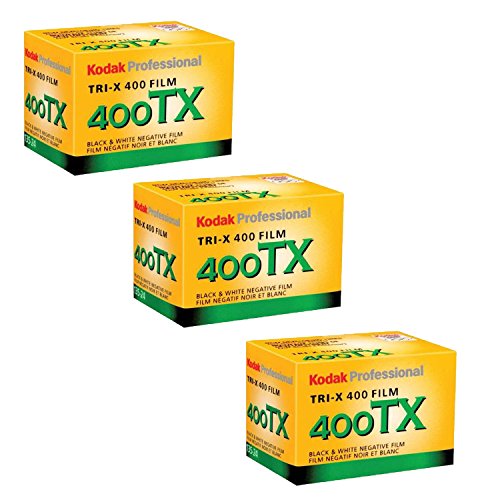
Kodak Tri-X 400TX is renowned for its fine grain, sharpness, and broad exposure latitude. Designed to perform well under varied lighting, it offers a traditional balance of contrast ideal for documentary and street photography. Its versatility makes it a staple for both novices and seasoned shooters seeking reliable, classic monochrome results. The film accepts push development in many workflows, expanding its utility for low-light scenes without sacrificing tonal integrity.
Ilford HP5 Plus: Balanced Depth And Latitude

Ilford HP5 Plus is a workhorse film known for its wide exposure latitude and medium contrast. This makes it forgiving in mixed lighting conditions, from overcast skies to sunset scenes. It responds well to push processing, enabling higher contrast or density when required. The 36‑exposure packs provide dependable quantity for on‑location shoots, portrait projects, and daily street photography with consistent tonal response.
Ilford HP5 Plus 35mm: Versatile For Any Light

This version of Ilford HP5 Plus in 35mm format emphasizes high-speed performance with dependable results across varied lighting. Its ISO 400 rating is well-suited for dynamic street scenes, indoor portraits, and transitional lighting. The film’s wide latitude helps control exposure in contrasty environments, enabling both detail in shadows and highlights without excessive grinding or clipping in most scenarios.
Ilford Photo Single Use Camera HP5+ 135

The Ilford single-use HP5+ camera combines simplicity with the HP5 Plus 400 ISO film inside a compact, ready‑to‑shoot body. It’s a practical option for travelers, event snapshots, or introductory film projects where minimal setup is preferred. The combined 27 exposures (plus reloadable 3 additional) offer a straightforward path to learning the film process, from exposure to development, without gear management overhead.
Ilford HP5 Plus 2-Pack: Value For Enthusiasts

Two‑pack configurations offer a cost‑effective approach for photographers who shoot frequently in monochrome. Like the single 35mm HP5 Plus, this option preserves the film’s characteristic wide exposure latitude and fine grain, making it versatile for street scenes, portraits, and landscape work. The ISO 400 rating supports a broad range of shutter speeds and apertures, enabling flexible shooting across both daylight and modest indoor lighting.
Buying Guide: Choosing The Right Black And White Film
When selecting black and white film, consider the tonal range you want to achieve, your typical lighting conditions, and how you plan to develop the film. Below are key factors to compare.
- Film speed (ISO): Higher ISO like 400 enables faster shutter speeds in lower light but can increase grain. Lower ISO yields finer grain and smooth tonal transitions, best in bright conditions.
- Grain and texture: Some films emphasize fine grain for a classical smooth look, while others enhance noticeable grain for a gritty, documentary style.
- Exposure latitude: Wide latitude helps if you frequently shoot in high-contrast environments; it preserves detail in both shadows and highlights.
- Push processing: Films that respond well to push development offer greater control in dim scenes, at the cost of increased contrast or grain.
- Format and availability: 35mm is widely supported; 135 format is a common shorthand for 35mm film. Packs versus single rolls affect cost and convenience.
- Development workflow: Consider whether you’ll process at a lab, in‑home with chemistry, or scan and digitally grade the negatives. Some films scan more cleanly than others.
- Specialty options: Instant film and unique formats (like Polaroid or Instax) provide instant gratification but have distinct aesthetic differences from traditional 35mm film.
Each film listed here offers a distinct path to classic black and white aesthetics. For documentary work or street photography, Tri-X and HP5 Plus provide robust tonal options and reliable latitude. For studio portraits or controlled lighting, their finer grain variants may better suit clean, high‑contrast results. Finally, single-use and variant packs are beneficial for travel, events, or beginners learning the basics of exposure and development.