Best 26mm Wide Angle Lenses for Photography and Astronomy
Finding the best 26mm wide angle lens can greatly enhance photography and stargazing experiences alike. Whether you are capturing stunning landscapes, detailed portraits, or observing celestial wonders, a 26mm focal length offers versatility and excellent field of view. Below is a comparison table of top Amazon offerings, including camera lenses and telescope eyepieces, to suit a variety of creative and observational needs.
| Product | Brand | Type | Key Features |
|---|---|---|---|
| SVBONY SV154 Telescope Eyepiece 2 inch Super Wide Angle 26mm | SVBONY | Telescope Eyepiece | 70° ultra-wide FOV, 5 elements in 3 groups, high-contrast astronomical views |
| TTArtisan 25mm F2 Wide-Angle APS-C Camera Lens | TTARTISAN | Camera Lens | Bright F2 aperture, excellent close-focusing, manual fixed lens |
| Panasonic LUMIX Full Frame 26mm F8 Pancake Lens | Panasonic | Camera Lens | Compact, fixed F8 aperture, ideal for everyday carry, manual focus |
| Meike 25mm F1.8 Large Aperture Wide Angle Manual Lens | Meike | Camera Lens | Wide F1.8 aperture, 7 elements in 5 groups, manual focus, smooth bokeh |
| Lightdow 52MM 0.43x Wide Angle + Macro Lens Attachment | Lightdow | Lens Attachment | Screws onto lens filter, wide compatibility, expands versatility |
SVBONY SV154 26mm Wide Angle Telescope Eyepiece
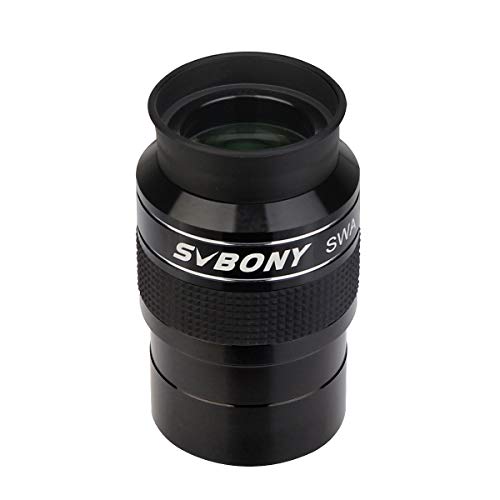
The SVBONY SV154 is a 2-inch telescope eyepiece that offers an ultra-wide 70-degree field of view. Its 26mm focal length provides moderate magnification, making it excellent for deep-sky observation including star clusters and nebulae, as well as lunar and planetary viewing. The eyepiece features a 5-element in 3-group lens structure made of high-index glass, delivering clear, high-contrast images of celestial objects. This eyepiece is particularly valued for its panoramic view capability, aiding in smooth tracking and locating objects in the night sky.
TTArtisan 25mm F2 Wide-Angle APS-C Camera Lens

This TTArtisan 25mm F2 lens is a manual focus, fixed focal length lens compatible with Olympus and Panasonic MFT cameras. It features a bright F2 aperture, enhancing performance in low-light environments and producing attractive bokeh for creative photography. Its close focusing distance is just 0.25 meters, enabling detailed shots of food, flowers, or small objects. This lens is designed for photographers who want a compact, versatile wide-angle solution with a large aperture for expressive depth of field control.
Panasonic LUMIX S 26mm F8 Pancake Full Frame Lens

The Panasonic LUMIX 26mm F8 is a compact pancake lens designed for full-frame L-Mount cameras. Its fixed F8 aperture and fixed focal length make it ideal for spontaneous shooting with excellent portability. The lightweight and slim design fits comfortably in a pocket, perfect for everyday carry. This lens emphasizes manual focus, allowing photographers to fine-tune their artistic vision. It suits snapshot photography and offers extensive creative potential when combined with other L-Mount lenses.
Meike 25mm F1.8 Large Aperture Wide Angle Manual Lens
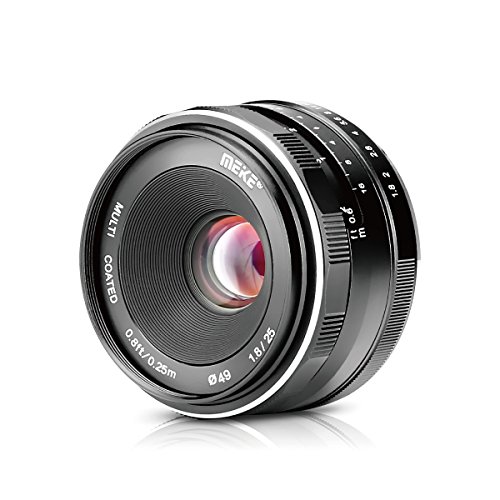
The Meike 25mm F1.8 is a wide-angle manual lens with large aperture suitable for Panasonic Lumix and Olympus M43 mount mirrorless cameras. With 7 elements in 5 groups and multi-layer coatings, it offers sharp and clear image quality with smooth bokeh effects. The lens performs well in portrait, close-up, and low-light photography. Users must enable manual mode or release without lens option on compatible cameras. It’s a solid choice for photographers seeking creative control over focus and aperture.
Lightdow 52MM 0.43x High-Definition Wide Angle + Macro Lens Attachment

The Lightdow 0.43x wide-angle lens attachment screws onto the front of a camera lens with a 52mm filter thread. It expands the original lens’s field of view significantly and includes a macro function for detailed close-ups. Compatible with popular Nikon, Canon, Sony DSLR, and mirrorless models, this versatile lens accessory enhances creativity without the need to buy a dedicated wide angle lens. It’s especially useful for photographers who want to increase their lens versatility economically and conveniently.
Buying Guide for 26mm Wide Angle Lenses
Lens Type and Compatibility
When selecting a 26mm wide angle lens, determine your primary use — whether for photography or astronomy. Camera lenses vary widely by mount type (e.g., APS-C, full-frame, MFT) and brand compatibility like Canon, Nikon, Panasonic, Sony, or Olympus. Telescope eyepieces such as 2-inch models are designed for astronomical instruments and focus on maximizing field of view and clarity through eyepiece optics.
Aperture and Focal Length
The aperture size significantly influences low-light performance and depth of field. Lenses with wider apertures like F1.8 or F2 allow for better light intake and creative bokeh, ideal for portraits and night photography. Pancake lenses with fixed smaller apertures (like F8) focus on compactness and sharpness but require more light. The 26mm focal length offers a natural wide angle for landscapes, architecture, and astrophotography.
Optical Construction and Coatings
Lenses with multiple element groups and advanced coatings reduce aberrations, flare, and distortion, resulting in sharper, higher contrast images. High index glass in telescope eyepieces ensures crisp astronomical views. Manual focus lenses generally offer more precision and creative control but require familiarity with manual focusing techniques.
Portability and Build Quality
Consider lens size, weight, and build. Pancake lenses and compact eyepieces are highly portable and ideal for travelers or field observations. Lens attachments expand functionality without adding heavy gear but depend on existing lens quality. Durability and weather resistance also matter for outdoor use.
Additional Features
- Close Focusing Distance: Important for macro-like shots or detailed objects.
- Manual vs. Autofocus: Manual lenses provide control; autofocus lenses offer convenience.
- Field of View (FOV): Wider angles like 70° provide immersive views, essential for landscapes and astronomy.