Best 24mm Wide Angle Lenses for Sharp Landscape and Low-Light Photography
Choosing the best 24mm wide angle lens significantly enhances your photography, especially for landscapes, architecture, and environmental portraits. This article features a selection of the finest lenses suitable for full-frame and APS-C cameras, highlighting their key features to help you make an informed decision.
| Lens Name | Brand | Key Features |
|---|---|---|
| Sony E-mount FE 24mm F1.4 GM | Sony | Exceptional wide-open resolution, F1.4 aperture, G Master sharpness and smooth bokeh |
| Sony FE 24mm F2.8 G Ultra-Compact Lens | Sony | Ultra-compact design, F2.8 aperture, aspheric elements for corner-to-corner sharpness |
| Canon RF24mm F1.8 Macro is STM Lens | Canon | Fast F1.8 aperture, excellent image quality with UD glass & aspheric elements, reliable autofocus |
| Nikon NIKKOR Z DX 24mm f/1.7 | Nikon | Large aperture, short working distance, autofocus optimized for silent video use |
| Nikon NIKKOR Z 14-24mm f/2.8 S Wide-Angle Zoom | Nikon | Ultra-wide zoom, f/2.8 constant aperture, outstanding optics and resolution |
Sony E-Mount FE 24mm F1.4 GM Full Frame Wide-Angle Prime Lens
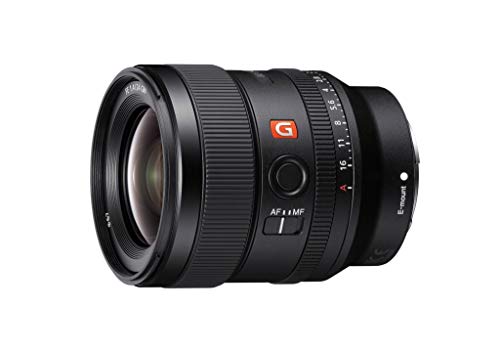
The Sony FE 24mm F1.4 GM is a compact master wide prime lens designed for full-frame Sony E-mount cameras. Its F1.4 maximum aperture allows extraordinary exposure control and creative depth of field effects. The G Master design ensures remarkable sharpness and delivers a smooth, creamy bokeh—ideal for professional landscape, astrophotography, and artistic shots.
Featuring superior optics and build quality, this lens offers stunning wide-open resolution performance across the frame. Its lightweight yet durable construction makes it a practical choice for photographers who prioritize image clarity without compromising portability.
Sony FE 24mm F2.8 G Full-Frame Ultra-Compact G Lens
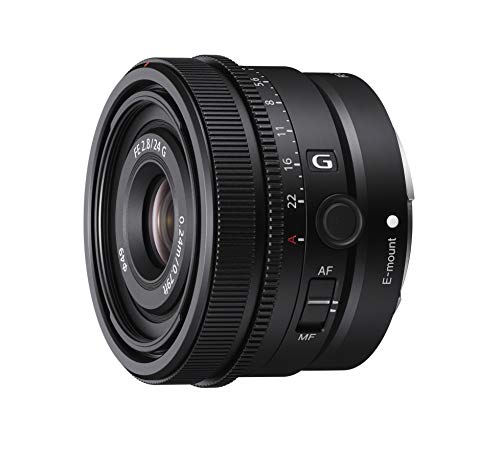
Offering an ultra-compact design, the Sony FE 24mm F2.8 G is a fast prime lens well suited for users needing portability along with excellent image quality. With a maximum aperture of F2.8, it supports low-light shooting and moderate depth-of-field control.
The lens incorporates three aspheric elements to maintain exceptional corner-to-corner sharpness, making it a reliable option for travel, street photography, and landscapes. It balances G series lens performance with a lightweight body, enabling convenient use over extended periods.
Canon RF24mm F1.8 Macro is STM Lens

The Canon RF24mm F1.8 Macro lens is a wide-angle prime for the EOS R system. Its fast F1.8 aperture allows beautiful depth of field control and superior low-light performance, ideal for both stills and video. This lens features Ultra-low Dispersion (UD) glass and an aspheric element that reduce chromatic aberrations and flare.
It delivers excellent image quality, enhanced by Canon’s Super Spectra Coating to minimize ghosting and enhance contrast. The inclusion of fast and reliable autofocus suited for video recording complements its versatility across different shooting scenarios.
Nikon NIKKOR Z DX 24mm f/1.7 Wide-Angle Prime Lens

Designed for Nikon’s APS-C (DX format) Z series mirrorless cameras, the Nikkor Z DX 24mm f/1.7 offers a large aperture for impressive low-light capability and shallow depth of field effects. It has a notably short working distance, allowing you to capture subjects as close as 4.7 inches.
This lens features autofocus optimized for video, which minimizes mechanical noise and reduces focus breathing—critical benefits for videographers. Its wide field of view approaches that of a 35mm full-frame lens, making it a premium choice for expansive landscape and everyday photography on a budget.
Nikon NIKKOR Z 14-24mm f/2.8 S Ultra-Wide Zoom Lens

The Nikon NIKKOR Z 14-24mm f/2.8 S is an ultra-wide zoom with a constant f/2.8 aperture ideal for capturing expansive landscapes, dramatic cityscapes, astroscapes, and architectural interiors. This lens is praised for delivering outstanding optics and resolution across the entire frame.
Its versatility and image quality suit Z series mirrorless camera users seeking a wide-angle focal range with professional-grade sharpness. The constant aperture ensures consistent exposure in dynamic shooting conditions, enhancing flexibility for creative compositions.
Buying Guide For 24mm Wide Angle Lenses
Selecting the right 24mm wide angle lens depends on several important factors. Here is a comprehensive guide to help you choose:
1. Camera Compatibility
Ensure the lens matches your camera mount and sensor format (full-frame vs APS-C). For example, Sony FE lenses suit Sony full-frame cameras, while Nikon Z lenses come in both FX and DX formats for full-frame and APS-C bodies, respectively.
2. Aperture Size and Performance
A wider aperture (like f/1.4 or f/1.7) enhances low-light performance and allows for creative depth of field control. Prime lenses typically offer larger apertures, while zoom lenses often have smaller maximum apertures.
3. Lens Type: Prime vs Zoom
Prime lenses (fixed focal length) generally provide better sharpness, lower distortion, and faster apertures. Zoom lenses offer flexibility in framing but can be larger and less bright.
4. Optics and Image Quality
Look for lenses with aspheric elements, ultra-low dispersion glass, or special coatings. These features reduce chromatic aberrations, ghosting, and flare for sharper, clearer images.
5. Autofocus and Video Capability
If you shoot video, consider lenses with quiet autofocus motors and minimal focus breathing. Some lenses have specific optimizations for smooth focusing in video mode.
6. Size and Weight
An ultra-compact and lightweight lens is often preferable for travel and street photography, while larger lenses may offer superior build and optical quality but at the cost of portability.
7. Price and Warranty
While price varies widely, consider certified refurbished or bundled warranty options to safeguard your investment without compromising performance.
By weighing these factors against your specific photography needs, you can select a 24mm wide angle lens that maximizes your creative potential.